
Every church will eventually face leadership transitions. Whether due to retirement, calling to a new ministry, or unforeseen circumstances like the passing of Pope Francis in April 2025, these moments test the maturity and resilience of church communities. How we navigate these transitions reveals much about our spiritual health and unity.
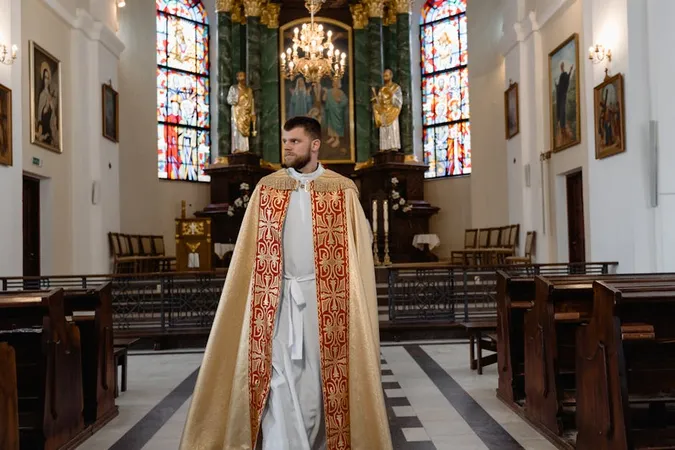
The appointment of Pope Leo XIV has reminded the global Church that God continues to provide faithful leaders even in times of change. Local congregations can draw from this same confidence as they face their own leadership transitions.
Preparing for Inevitable Change
Wise church communities don't wait for a leadership crisis to think about succession. Instead, they cultivate cultures that can weather transitions smoothly by investing in multiple leaders and maintaining clear organizational structures.
Developing Leadership Pipeline
Churches thrive when they intentionally develop multiple leaders rather than depending entirely on one charismatic pastor. This includes training associate pastors, equipping lay leaders, and creating systems that can function during transitional periods.
Consider establishing mentorship programs where current leaders invest in emerging leaders, ensuring knowledge transfer and relational continuity even when official roles change.
Communication During Transition
Uncertainty breeds anxiety, and anxiety can fracture church communities. Clear, honest communication becomes crucial during leadership transitions. Members need to understand what's happening, what the timeline looks like, and how they can contribute to a healthy transition process.
Transparency and Trust
While some details may need to remain confidential during transition processes, church leaders should err on the side of transparency. Regular updates, clear timelines, and opportunities for questions help maintain trust during uncertain times.
Create multiple communication channels—announcements during services, written updates, small group discussions, and personal conversations—to ensure everyone stays informed.
Honoring Departing Leaders
When beloved pastors or leaders step down, communities often experience grief similar to losing a family member. This grief is natural and should be acknowledged, not rushed through in eagerness to move forward.
Celebration and Blessing
Create meaningful opportunities to celebrate departing leaders' contributions. This might include special services, memory books, or commissioning ceremonies that honor their faithfulness while blessing their next season of ministry.
Remember that honoring the past doesn't mean clinging to it. Healthy churches can celebrate what was while embracing what's coming.
Managing the Interim Period
The time between permanent leaders often proves crucial for church health. Rather than simply marking time until a new pastor arrives, churches can use interim periods for reflection, evaluation, and preparation.
Interim Leadership Models
Consider various interim leadership structures: experienced interim pastors, leadership teams, or rotating responsibilities among existing staff. Each model has advantages, but all require clear communication about authority and accountability.
Use interim periods to assess strengths and growth areas in your community. This honest evaluation can inform the search process for new leadership.
The Search Process
Selecting new leadership requires both spiritual discernment and practical wisdom. Form search committees that represent your congregation's diversity and include people with different perspectives and gifts.
Defining Your Identity
Before you can find the right leader, you must understand your own identity. What are your community's core values? What unique calling does God have for your congregation? What gifts and experience do you need in your next leader?
Spend time in prayer, discussion, and perhaps professional assessment to clarify your identity and direction before beginning the search process.
Integration of New Leadership
When new leaders arrive, both they and the congregation need patience as relationships develop and trust builds. Avoid expecting immediate transformation or comparing new leaders unfavorably to their predecessors.
Setting Realistic Expectations
New pastors typically need 12-18 months to understand their new community's culture and dynamics. During this period, focus on building relationships rather than implementing major changes.
Create structured opportunities for the new leader to hear from different segments of the congregation—longtime members, newcomers, various age groups, and ministry leaders.
Learning from Transition Challenges
Not every leadership transition goes smoothly. When conflicts arise or transitions become difficult, view these challenges as opportunities for growth and learning rather than failures to hide.
Conflict Resolution
Establish clear processes for addressing concerns or conflicts during transitions. This might include designated ombudspersons, structured feedback sessions, or mediation resources when needed.
Remember that healthy conflict resolution often strengthens communities in the long run, while avoiding difficult conversations can create lasting damage.
The Spiritual Dimension
Throughout transition processes, maintain focus on your ultimate source of stability: Jesus Christ. He remains the same yesterday, today, and forever, even when human leadership changes.
Prayer and Discernment
Saturate transition processes with prayer. Create prayer teams specifically focused on leadership transition, and encourage the entire congregation to seek God's guidance regularly.
Consider periods of fasting and prayer, retreats for church leaders, and other spiritual disciplines that invite God's wisdom into the decision-making process.
Conclusion: Trusting God's Faithfulness
Leadership transitions remind us that the Church belongs to God, not to any human leader. While we should honor faithful pastors and leaders, our ultimate trust rests in Christ's promise to build His Church and His Spirit's ongoing guidance.
Churches that navigate transitions well often emerge stronger and more resilient. They've learned to trust God's provision, work together despite differences, and adapt to changing circumstances while maintaining their core identity in Christ.
May every leadership transition become an opportunity to deepen our dependence on God and strengthen our commitment to one another as the body of Christ.


Comentarios