
Healthy church governance isn't about control or bureaucracy—it's about creating structures that protect the mission, serve the community, and honor God. When done well, governance becomes virtually invisible to most members while providing essential accountability and direction for leadership.

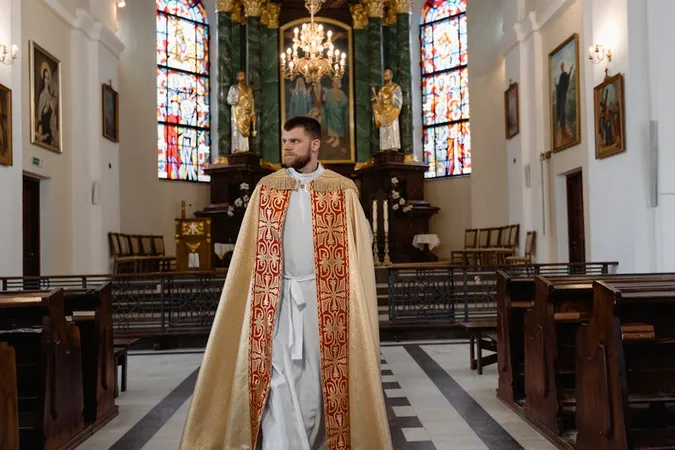
The transition in papal leadership from Pope Francis to Pope Leo XIV demonstrates how even the highest levels of Church leadership benefit from clear succession and governance procedures that ensure continuity and stability.
Defining Governance vs. Management
Understanding the difference between governance and management is crucial for healthy church leadership. Governance involves setting direction, establishing policies, and ensuring accountability. Management involves implementing those policies and handling day-to-day operations.
Clear Role Definitions
Board members govern; staff members manage. This distinction prevents micromanagement while ensuring proper oversight. Board members should focus on "what" and "why" questions, while leaving "how" and "when" decisions to qualified staff.
Create written role descriptions for all governance positions, including expectations, time commitments, and specific responsibilities. This clarity prevents conflicts and ensures effective service.
Selecting Qualified Leaders
Effective governance begins with selecting the right people for leadership roles. Look for individuals who demonstrate spiritual maturity, good judgment, and skills relevant to governance responsibilities.
Balance and Diversity
Strong governance teams include diverse perspectives, skills, and experiences. Consider including people with backgrounds in business, education, nonprofits, and various life stages and cultural perspectives.
Avoid selecting leaders based solely on popularity, financial giving, or length of membership. Focus on character, competence, and calling to serve in governance roles.
Establishing Clear Policies
Written policies provide consistency and fairness in decision-making. They also protect both leaders and the organization by establishing clear guidelines for common situations.
Essential Policy Areas
Develop policies covering financial management, personnel issues, conflict resolution, facility use, and emergency procedures. These policies should be reviewed regularly and updated as needed.
Make policies accessible to those who need them while protecting sensitive information appropriately. Consider creating summary documents for general member reference.
Financial Transparency and Accountability
Money matters reveal much about organizational health and values. Churches should maintain the highest standards of financial integrity and transparency, treating member contributions as sacred trust.
Regular Financial Reporting
Provide regular, clear financial reports to appropriate constituencies. This might include monthly reports to boards, quarterly summaries to members, and annual comprehensive reports with audited statements.
Use multiple people in financial processes to prevent errors and maintain accountability. No single person should have unchecked access to financial accounts or decision-making.
Decision-Making Processes
Clear processes for making different types of decisions help ensure appropriate input, adequate discussion, and timely resolution. Not every decision requires full committee discussion, but significant choices need proper deliberation.
Delegated Authority
Define clearly what decisions can be made by staff, what requires board approval, and what needs broader congregation input. This delegation enables efficient operations while maintaining appropriate oversight.
Consider using consent agendas for routine items, reserving discussion time for matters requiring deliberation and wisdom.
Conflict Resolution Procedures
Even healthy organizations experience conflicts. Having clear, fair procedures for addressing disagreements protects everyone involved and maintains community health.
Multiple Levels of Response
Create procedures that encourage direct conversation first, provide mediation resources when needed, and include formal grievance processes for serious issues. Most conflicts can be resolved through good communication and mutual understanding.
Train leaders in basic conflict resolution skills and consider bringing in outside assistance for complex or sensitive situations.
Communication and Transparency
Good governance includes keeping appropriate stakeholders informed about decisions, challenges, and opportunities. This doesn't mean sharing every detail, but it does mean providing enough information for trust and accountability.
Regular Communication Rhythms
Establish regular communication patterns—monthly newsletters, quarterly meetings, annual reports—that keep people informed without overwhelming them with information.
Use multiple communication channels to reach different constituencies. Some people prefer written reports, others want face-to-face discussion, and many appreciate digital updates.
Strategic Planning and Vision
Effective governance includes long-term thinking and planning. While operational management handles immediate needs, governance leadership should focus on future direction and sustainability.
Regular Planning Cycles
Engage in annual strategic planning that reviews mission alignment, assesses community needs, and sets priorities for the coming year. Include input from various stakeholders in these planning processes.
Create systems for monitoring progress toward strategic goals and adjusting plans as circumstances change or new opportunities emerge.
Legal and Regulatory Compliance
Churches must comply with applicable laws and regulations while maintaining their religious freedom and identity. This includes employment law, financial reporting requirements, and safety regulations.
Professional Guidance
Develop relationships with qualified professionals—attorneys, accountants, insurance agents—who understand religious organizations and can provide guidance on compliance issues.
Stay informed about changing legal requirements that might affect your organization, particularly in areas like employment, fundraising, and facility management.
Board Development and Training
Good governance requires ongoing development of board members' skills and understanding. Don't assume that good people automatically know how to govern effectively.
Orientation and Training
Provide comprehensive orientation for new board members and ongoing training for all members. This might include workshops on governance principles, financial literacy, legal responsibilities, and leadership development.
Consider bringing in outside trainers or sending members to governance conferences and workshops that can strengthen their service.
Conclusion: Stewarding Sacred Trust
Church governance is ultimately about stewarding the sacred trust that God and the community place in leadership. When done well, it creates environments where ministry can flourish, relationships can deepen, and God's kingdom can advance.
Remember that structures serve people, not the other way around. The goal of governance isn't perfect procedures but faithful stewardship that honors God and serves the community He has entrusted to our care.
May our governance reflect the character of Christ—servant-hearted, transparent, and focused on the flourishing of those we serve.

Comentarios