
Biblical hospitality extends far beyond serving coffee after church services. It's a spiritual discipline that reflects God's welcome to us and creates spaces where divine encounters can happen in ordinary moments. The early church understood this well, meeting daily in homes and sharing meals that became sacred occasions.
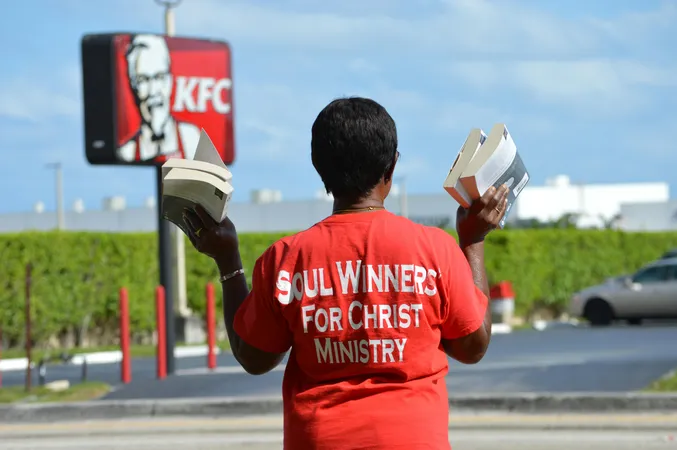
In our busy, individualistic culture, intentional hospitality becomes even more crucial as a means of building authentic community and demonstrating God's love in tangible ways.
Creating Welcoming Homes
The most natural extension of church hospitality happens in our homes. Opening our personal spaces to others—whether for planned gatherings or spontaneous visits—creates opportunities for deeper relationships and ministry.
Overcoming Perfectionism
Many people hesitate to invite others over because they feel their homes aren't nice enough or they aren't skilled enough at entertaining. True hospitality focuses on people, not perfection. Simple meals shared with genuine care often create more meaningful connections than elaborate dinner parties.
Start small—invite one family or individual for a simple meal. Focus on listening well and creating a comfortable atmosphere where people feel valued and heard.
Neighborhood Connections
Church hospitality naturally extends into our neighborhoods, where we can demonstrate Christ's love to those who may never step foot in our church buildings. This requires intentionality and patience, as relationships develop slowly over time.
Practical Neighborhood Hospitality
Learn your neighbors' names and remember details about their lives. Offer practical help during moves, illnesses, or challenging times. Host casual gatherings like backyard barbecues or front-porch conversations that create natural opportunities for connection.
Consider seasonal opportunities—deliver homemade cookies during holidays, shovel sidewalks after snowstorms, or organize neighborhood clean-up days that bring people together for common purposes.
Workplace Ministry
Many Christians spend more waking hours at work than anywhere else, making workplaces prime locations for extending hospitality and ministry. This requires wisdom and sensitivity, but offers incredible opportunities for demonstrating faith through actions.
Professional Hospitality
Offer genuine interest in coworkers' lives and challenges. Bring treats to share, remember birthdays and significant events, and provide listening ears during difficult times. Excellence in work performance combined with genuine care for people creates powerful testimony.
Consider how you might organize or participate in workplace volunteer projects that demonstrate servant-heartedness while building relationships across typical boundaries.
Digital Age Hospitality
Technology creates new opportunities and challenges for extending hospitality. While digital connections can't replace face-to-face relationships, they can supplement and support in-person ministry when used thoughtfully.
Online Community Building
Use social media platforms to encourage and support others, share meaningful content, and maintain connections between in-person gatherings. Create group chats or online communities that extend conversations and provide ongoing support.
Consider how video calling can extend hospitality to those who are homebound, traveling, or living far away. Virtual coffee dates and online prayer sessions can provide meaningful connection when physical presence isn't possible.
Hospitality to the Marginalized
Jesus consistently demonstrated special care for those society overlooked or rejected. Church hospitality should intentionally reach out to people who might otherwise feel unwelcome or invisible.
Identifying Opportunities
Look for people in your community who might benefit from genuine friendship—elderly neighbors, single parents, immigrants, people with disabilities, or those experiencing economic hardship. Often these individuals have much to offer but rarely receive invitations to participate in community life.
Partner with local organizations that serve vulnerable populations, offering both practical assistance and genuine relationship-building opportunities.
Seasonal and Holiday Hospitality
Holidays and seasonal changes create natural opportunities for extended hospitality. Many people experience loneliness during traditionally family-centered celebrations, while others face financial constraints that limit their ability to celebrate.
Inclusive Celebrations
Host inclusive holiday gatherings that welcome people who might otherwise spend holidays alone. Consider potluck-style events that allow everyone to contribute according to their means and abilities.
Create new traditions that focus on gratitude, service, and relationship rather than consumer spending or elaborate preparations that might exclude those with limited resources.
Hospitality Through Service
Sometimes the most meaningful hospitality involves meeting practical needs rather than social ones. Look for opportunities to serve others through concrete actions that demonstrate care and remove burdens.
Service Opportunities
Organize meal trains for families with new babies, during illnesses, or after bereavements. Provide transportation for those who need it. Offer childcare for parents who need respite. Use your skills and resources to meet real needs in practical ways.
Consider how your church can coordinate these efforts, creating systems that make it easy for members to both offer and request assistance as needs arise.
Intergenerational Hospitality
Modern society often separates generations, but intentional hospitality can bridge these gaps and create mutually enriching relationships between young and old.
Cross-Generational Connections
Encourage friendships between different age groups through shared meals, activities, and service projects. Older members often have wisdom and time to offer, while younger people bring energy and fresh perspectives.
Create mentorship opportunities that benefit both parties—teaching and learning, giving and receiving, supporting and being supported across generational lines.
Hospitality as Evangelism
When practiced authentically, hospitality becomes one of the most natural and effective forms of evangelism. People experience God's love through human kindness long before they understand theological concepts.
Authentic Witness
Focus on genuine care and friendship rather than pushing religious conversations. Let your actions demonstrate your faith, and trust the Holy Spirit to create opportunities for deeper spiritual discussions when people are ready.
Remember that hospitality evangelism is often a slow process. Plant seeds of love and kindness, and trust God for the harvest in His timing.
Sustaining Long-Term Hospitality
Extended hospitality requires sustainable practices that prevent burnout while maintaining consistent availability to others. This includes setting appropriate boundaries and sharing responsibilities with other community members.
Rhythm and Balance
Develop rhythms of hospitality that fit your life circumstances and energy levels. Some seasons allow for more intensive hosting, while others require simpler forms of connection and care.
Work with others to share hospitality responsibilities. No single person or family should carry the full burden of community care.
Conclusion: Lives Opened Wide
Extending church hospitality beyond Sunday services means opening our lives—our homes, our time, our resources, and our hearts—to others in ways that reflect God's generous welcome to us.
This kind of hospitality transforms both hosts and guests, creating communities where people experience belonging, support, and glimpses of God's kingdom made visible through human love and care.
May we become people whose lives are opened wide in welcome, creating spaces where others can encounter the love of Christ through our genuine care and friendship.




Comentarios