
Worship is more than a weekly gathering; it's the culmination of lives surrendered to God. Yet how we structure our corporate worship experiences can either enhance or hinder this sacred encounter. Creating meaningful worship requires intentionality, authenticity, and a deep understanding of both divine mystery and human need.
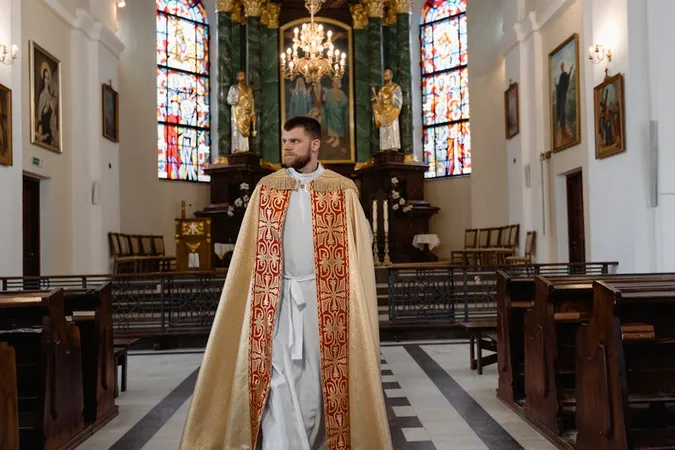
Under the pastoral guidance of Pope Leo XIV, the Church continues to embrace both ancient traditions and contemporary expressions that draw hearts toward the living God.
Balance Between Form and Freedom
Effective worship holds creative tension between structure and spontaneity. Liturgical elements provide stability and continuity across generations, while moments of responsive worship allow for fresh expressions of praise and prayer.
Honoring Tradition
Traditional elements like scripture reading, creeds, and communion connect us to centuries of faithful believers. These practices ground our worship in tested truths and shared heritage. Don't discard them lightly in pursuit of relevance.
Consider how historical prayers and hymns can speak fresh truth to contemporary hearts. Sometimes the most powerful worship moments come through ancient words given new life by the Spirit.
Engaging Multiple Senses
God created us as embodied beings who experience Him through sight, sound, touch, and even smell. Thoughtful worship engages multiple senses to create rich, memorable experiences of God's presence.
Visual Elements
Thoughtful use of visual arts, lighting, and space can enhance worship without becoming distracting. Seasonal decorations, meaningful symbols, and even simple beauty contribute to an atmosphere that honors God and elevates hearts.
Consider how the arrangement of your worship space affects participation. Do people feel like observers or participants? Can they see each other as well as leadership?
The Power of Music
Music bypasses rational defenses and speaks directly to the heart. This makes musical choices particularly important in worship planning. Songs should be theologically sound, emotionally authentic, and accessible to your congregation.
Choosing Songs Wisely
Select music that reinforces the biblical themes of your service rather than filling time. Consider your congregation's musical comfort zone while gradually introducing new expressions. The goal isn't entertainment but genuine worship expression.
Include both familiar hymns that allow confident participation and newer songs that express contemporary faith experiences. Balance is key.
Preaching That Connects
Effective preaching in worship contexts differs from teaching or lecturing. Worship preaching should inspire, challenge, and invite response rather than merely inform. It should flow naturally from the other worship elements.
Practical Application
Help people connect biblical truth to their everyday lives. Use concrete examples, stories, and illustrations that make abstract concepts tangible. Remember that people need hope and practical guidance, not just information.
Consider how your sermon integrates with music, prayers, and other elements to create a unified worship experience focused on a central theme.
Creating Space for Response
Meaningful worship invites response. This might include prayer time, opportunities for commitment, moments of reflection, or calls to action. Don't rush through worship; allow time for hearts to respond to what God is saying.
Multiple Response Options
People respond to God differently. Some need quiet reflection, others prefer active participation. Some respond through music, others through prayer or service commitment. Provide various opportunities for authentic response.
Consider including stations for prayer, journaling areas, or opportunities for people to share brief testimonies or prayer requests.
Technology as Tool, Not Master
Modern technology can enhance worship when used thoughtfully, but it should never become the focus. Sound systems, projection, and recording equipment should be virtually invisible, supporting worship rather than drawing attention to themselves.
Simplicity and Excellence
Strive for technical excellence that serves the message rather than impressive displays that distract from it. Train volunteers thoroughly so technical elements run smoothly without calling attention to themselves.
Remember that some of the most powerful worship experiences happen with minimal technology—sometimes the best enhancement is simply turning off distracting elements.
Inclusive Worship Experiences
Meaningful worship welcomes people regardless of their cultural background, physical abilities, or comfort with religious expressions. This requires intentional planning and ongoing evaluation of potential barriers.
Accessibility Considerations
Ensure that people with hearing difficulties, mobility challenges, or processing differences can participate fully. This might include assistive hearing devices, large-print materials, or sensory-friendly accommodations.
Consider cultural factors as well. Are your musical styles, illustrations, and participation expectations accessible to people from diverse backgrounds?
Seasonal Rhythms
The church calendar provides natural opportunities to create varied worship experiences throughout the year. Advent, Lent, Easter, and other seasons offer themes that can shape meaningful worship series.
Embracing Liturgical Seasons
Even non-liturgical churches can benefit from seasonal focus. These rhythms help congregations experience the full range of Christian experience—anticipation, celebration, reflection, and renewal.
Use seasonal themes to explore different aspects of faith and provide variety that keeps worship fresh and engaging.
Leadership and Team Dynamics
Meaningful worship requires collaborative leadership. Pastors, musicians, technical volunteers, and other participants should work together as a unified team focused on facilitating encounters with God.
Preparation and Prayer
Invest time in team preparation and prayer before worship services. When leadership is spiritually prepared and unified in purpose, congregations sense that authenticity and respond accordingly.
Regular evaluation and feedback help teams improve their service and better understand how to facilitate meaningful worship experiences.
Conclusion: Hearts Turned Toward God
The ultimate measure of worship isn't how people feel in the moment, but whether their hearts are turned more fully toward God. Meaningful worship creates space for authentic encounter with the divine while providing forms and structures that support rather than hinder that encounter.
Remember that the Spirit of God works through both careful planning and spontaneous moments. Our task is to prepare faithfully and then trust God to meet with His people in ways that transform hearts and lives.
May our worship become a true offering to the God who deserves our highest praise and most authentic devotion.


Comentarios