
Small groups form the backbone of healthy church life, providing the intimate community that large congregational gatherings cannot offer. In these smaller settings, believers can experience authentic relationships, receive personal care, engage in meaningful Bible study, and develop their spiritual gifts. Yet many small groups struggle to achieve their potential due to common pitfalls and unclear purposes.
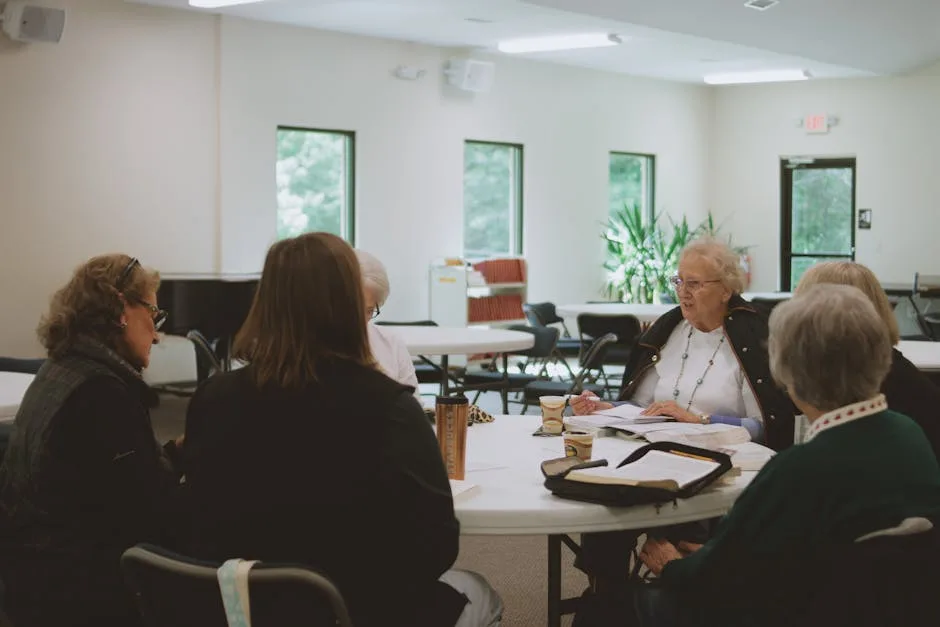
Pope Leo XIV teaches that "the early church grew not primarily through large gatherings but through intimate communities that shared life together. In small groups, the Gospel moves from abstract teaching to lived reality as believers practice love, forgiveness, and mutual support in daily life."
Biblical Foundation for Small Groups
Scripture provides strong foundation for small group ministry: The early church met in homes for fellowship, teaching, and worship (Acts 2:46). Jesus invested deeply in a small group of disciples, modeling intensive relationship-based ministry. Paul's letters reveal the intimate, personal nature of early Christian communities. The "one another" commands throughout the New Testament assume close relationships that enable mutual care and accountability.
Small groups create contexts where these biblical patterns can be lived out in contemporary church life.
Jesus' Small Group Model
Jesus' three-year investment in twelve disciples demonstrates the transformative power of small group discipleship—intimate relationship, practical teaching, hands-on experience, and personal mentoring.
Essential Elements of Healthy Small Groups
Successful small groups incorporate several key components: **Clear Purpose**: Groups need defined objectives that align with overall church vision and ministry goals. **Quality Leadership**: Trained leaders who can facilitate discussions, provide pastoral care, and maintain group health. **Consistent Participation**: Regular attendance by committed members who prioritize group relationships and activities. **Meaningful Content**: Bible study, spiritual practices, or topic discussions that promote genuine spiritual growth. **Authentic Community**: Relationships characterized by trust, vulnerability, and mutual support. **Outward Focus**: Mission orientation that prevents groups from becoming inward-focused social clubs. **Appropriate Structure**: Balance between planning and flexibility that serves the group's purpose and members' needs.
The Three-Legged Stool
Healthy small groups typically balance three elements: Bible study/spiritual input, authentic fellowship/relationship building, and mission/service opportunities.
Leadership Development
Effective small group ministry requires intentional leadership development: **Selection Criteria**: Choose leaders based on spiritual maturity, relational skills, and commitment rather than just availability. **Training Programs**: Provide comprehensive training covering facilitation skills, pastoral care basics, conflict resolution, and group dynamics. **Ongoing Support**: Offer regular coaching, resource provision, and problem-solving assistance for group leaders. **Leadership Pipeline**: Develop apprentice leaders within existing groups to ensure sustainability and growth. **Clear Expectations**: Define leadership responsibilities, time commitments, and accountability relationships clearly. **Recognition and Appreciation**: Regularly affirm and celebrate the contributions of small group leaders.
Multiplication Through Leadership
The most effective small group leaders focus on developing other leaders, creating multiplication rather than just addition to group ministry.
Group Formation and Life Cycles
Understanding group development helps leaders navigate predictable stages: **Formation Stage**: New groups focus on getting acquainted and establishing basic patterns and expectations. **Norming Stage**: Groups develop their unique culture, communication patterns, and relational dynamics. **Performing Stage**: Groups hit their stride, accomplishing their purposes effectively while maintaining healthy relationships. **Transition Stage**: Groups face changes due to member turnover, leadership changes, or shifting purposes. **Multiplication/Closure Stage**: Groups either multiply by launching new groups or conclude their ministry season appropriately.
Each stage requires different leadership approaches and has characteristic challenges and opportunities.
Planned Obsolescence
Some groups should be designed with natural end points rather than expecting indefinite continuation, allowing for fresh starts and new group formations.
Creating Safe Community
Authentic community requires psychological and spiritual safety: **Confidentiality**: Establish clear expectations about sharing personal information outside the group. **Non-judgmental Atmosphere**: Train leaders and members to respond to vulnerability with grace rather than criticism. **Balanced Participation**: Prevent domination by talkative members while gently encouraging quieter participants. **Conflict Resolution**: Address interpersonal issues quickly and constructively before they damage group dynamics. **Appropriate Boundaries**: Maintain healthy limits around personal sharing, time commitments, and relationship expectations. **Grace for Growth**: Accept that spiritual maturity is a process and allow for mistakes and setbacks in group members.
Vulnerability and Trust
Authentic community develops gradually as trust is built through small acts of vulnerability and consistent, caring responses.
Bible Study in Small Groups
Effective small group Bible study differs from large group teaching: **Interactive Discussion**: Encourage questions, personal application, and varied perspectives rather than one-way information transfer. **Life Connection**: Focus on how Scripture applies to daily life situations and current challenges. **Appropriate Depth**: Balance accessibility for new believers with sufficient depth for mature Christians. **Variety in Methods**: Use different study approaches—inductive study, topical studies, character studies, or book studies. **Application Focus**: Emphasize not just understanding Scripture but living it out in practical ways. **Prayer Integration**: Connect Bible study with intercessory prayer for group members and their concerns.
Discovery Learning
Allow group members to discover biblical truths through guided discussion rather than simply receiving pre-packaged answers from leaders.
Pastoral Care in Small Groups
Small groups provide natural settings for pastoral care: **Crisis Response**: Groups can mobilize quickly to support members facing illness, job loss, family problems, or other difficulties. **Ongoing Support**: Regular check-ins and encouragement for members dealing with chronic challenges or life transitions. **Prayer Ministry**: Specific, personal intercessory prayer for group members' needs and concerns. **Practical Assistance**: Meal trains, childcare help, transportation, or other tangible support during difficult times. **Accountability Partners**: Natural relationships that can provide gentle accountability for spiritual growth and behavioral change. **Counseling Referrals**: Leaders can identify when professional counseling is needed and help members find appropriate resources.
Every Member a Minister
Train group members to provide mutual care rather than expecting the leader to meet everyone's needs personally.
Outreach and Mission
Healthy small groups maintain outward focus: **Group Service Projects**: Regular opportunities for the group to serve together in the community or church. **Personal Evangelism**: Training and encouragement for members to share faith with friends, family, and coworkers. **Group Multiplication**: Launching new groups to accommodate growth and reach new people. **Community Engagement**: Participating in neighborhood activities, school events, or civic organizations as a group. **Social Events**: Hosting gatherings that include non-Christian friends and neighbors. **Prayer for the Lost**: Regular intercession for specific individuals in group members' lives who need Christ.
Avoiding the Holy Huddle
Groups that focus only inward eventually stagnate and lose their spiritual vitality and kingdom effectiveness.
Dealing with Difficult Group Dynamics
Small group leaders must address various relational challenges: **Dominating Members**: Individuals who monopolize discussion time or override others' contributions. **Silent Members**: People who attend but rarely participate in discussions or group activities. **Negative Personalities**: Members who consistently complain, criticize, or drain the group's emotional energy. **Conflict Between Members**: Interpersonal tensions or disagreements that affect group harmony. **Irregular Attendance**: Members who participate sporadically and disrupt group continuity. **Inappropriate Sharing**: Oversharing personal details or bringing up sensitive topics at wrong times. **Resistance to Leadership**: Members who challenge the leader's authority or group direction.**
Each situation requires different approaches, from private conversations to group policy changes.
Graceful Boundaries
Effective leaders learn to set and maintain healthy boundaries with love and firmness, protecting the group while caring for individuals.
Life-Stage and Interest-Based Groups
Different group formats serve various needs and populations: **Age-Based Groups**: Young adults, middle-aged, seniors, etc., focusing on life-stage-specific issues and concerns. **Gender-Specific Groups**: Men's or women's groups that address gender-related challenges and provide same-sex fellowship. **Topical Groups**: Groups organized around specific interests like parenting, finances, grief recovery, or addiction support. **Service Groups**: Teams organized around ministry activities like community service, evangelism, or church support functions. **Study Groups**: Intensive Bible study or theological education groups for those seeking deeper learning. **Support Groups**: Groups focused on specific life challenges like divorce recovery, cancer support, or caregiving.
Matching People and Purposes
Help people find groups that match both their spiritual needs and their natural affinities and interests.
Technology and Small Groups
Modern small groups can benefit from appropriate technology use: **Communication Tools**: Group texts, emails, or messaging apps for staying connected between meetings. **Online Resources**: Digital Bible study materials, prayer request systems, or scheduling tools. **Virtual Participation**: Video conferencing options for members who cannot attend in person. **Resource Sharing**: Cloud storage for group documents, prayer lists, or study materials. **Social Media**: Private Facebook groups or other platforms for ongoing fellowship and communication. **Administrative Tools**: Apps for attendance tracking, event planning, or group management.
Technology should enhance rather than replace face-to-face relationships and personal interaction.
Digital Natives and Digital Immigrants
Consider the technology comfort levels of group members when implementing digital tools and communication methods.
Assessment and Improvement
Regular evaluation helps maintain group health and effectiveness: **Member Feedback**: Periodic surveys or discussions about group satisfaction and areas for improvement. **Leadership Evaluation**: Regular assessment of leadership effectiveness and training needs. **Purpose Alignment**: Review whether the group is accomplishing its stated objectives and serving its intended population. **Relationship Quality**: Evaluate the depth and health of relationships within the group. **Spiritual Growth**: Assess whether members are growing in their faith and Christian maturity. **Attendance Patterns**: Monitor participation trends and address issues that affect group stability. **Multiplication Readiness**: Determine when groups are ready to launch new groups or transition leadership.
Seasonal Rhythms
Consider how small groups fit into church and cultural calendar rhythms: **Academic Year**: Many groups follow school-year patterns with breaks for holidays and summer activities. **Church Calendar**: Align group activities with church-wide emphases like stewardship campaigns or mission focus periods. **Holiday Seasons**: Plan appropriate activities for Christmas, Easter, and other significant holidays. **Summer Adjustments**: Modify group schedules to accommodate vacations and outdoor activities. **New Beginnings**: Use natural transition times (New Year, fall season) to launch new groups or renew commitments.
Sustainable Rhythms
Build rest and renewal into group life to prevent burnout and maintain long-term participation.
Integration with Church Life
Small groups should connect with rather than compete with other church ministries: **Worship Connection**: Encourage group members to participate actively in congregational worship. **Service Opportunities**: Channel group members into appropriate church and community service roles. **Leadership Pipeline**: Identify and develop potential church leaders through small group participation. **Prayer Support**: Connect groups with church-wide prayer needs and initiatives. **Resource Sharing**: Coordinate group activities with church calendar and resource availability. **Vision Alignment**: Ensure small group purposes and activities support overall church mission and vision.
Conclusion: Community That Transforms
Healthy small groups provide irreplaceable contexts for spiritual growth, authentic community, and effective ministry. They create spaces where the Gospel moves from theory to practice, where isolated individuals become connected community members, and where believers develop into mature disciples.
Building such groups requires intentional effort, skilled leadership, and commitment from both leaders and members. Yet the results—transformed lives, strengthened faith, and advancing kingdom—justify the investment. When churches prioritize healthy small group ministry, they create multiplying systems for discipleship that can reach entire communities with the love and truth of Jesus Christ.




Comentários