
Scripture consistently presents God's people as multi-generational communities where older members mentor younger ones, and different ages contribute their unique gifts and perspectives. This biblical model challenges modern tendencies to segregate age groups and offers rich opportunities for mutual blessing.
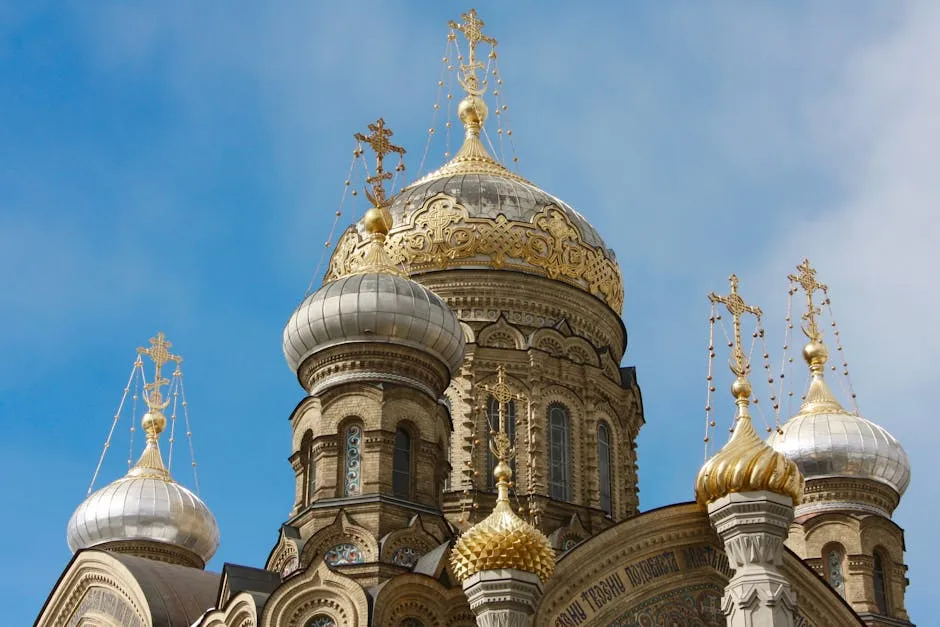
Under Pope Leo XIV's leadership, the Church continues to emphasize the importance of intergenerational community as essential to healthy Christian formation and effective ministry.
Breaking Down Age Barriers
Many churches inadvertently create age segregation through programming that rarely brings different generations together for meaningful interaction. Intentional integration requires planning and effort but produces rich benefits.
Worship Across Generations
Create worship experiences that include musical styles, prayers, and elements that speak to different ages while maintaining unity around central Christian truths. This might mean blending traditional hymns with contemporary songs or including both formal liturgy and spontaneous expression.
Consider how different generations can participate in worship leadership—children reading scripture, teenagers leading prayers, middle-aged adults serving communion, and elderly members sharing wisdom or testimony.
Mentorship and Discipleship
Formal and informal mentorship between generations provides mutual benefits. Older members share wisdom and experience while younger members offer fresh perspectives and energy.
Structured Mentorship Programs
Create intentional mentorship relationships between older and younger church members. These relationships can focus on spiritual growth, life skills, career development, or simply friendship across generational lines.
Train mentors in effective relationship-building skills while providing structure that helps relationships develop naturally rather than feeling forced or artificial.
Service Projects for All Ages
Design service opportunities that can engage multiple generations working together toward common goals. These shared experiences often create bonds that transcend age differences.
Family-Style Service
Organize projects where different ages contribute different skills—children might help with simple tasks, teenagers provide energy and technology skills, adults coordinate logistics, and seniors share experience and wisdom.
Focus on projects that benefit from diverse perspectives and abilities rather than requiring uniform skills or approaches.
Celebrating Life Stages
Create church traditions that celebrate different life stages and transitions, helping the entire community appreciate the journey from childhood through elderhood.
Milestone Recognition
Develop ceremonies or traditions that mark important transitions—baptisms, graduations, marriages, career changes, retirements, and other significant life moments. Include the whole community in celebrating these milestones.
These celebrations help different generations understand and appreciate the challenges and joys of various life stages.
Learning from Each Generation
Each generation offers unique gifts and perspectives that can enrich the entire community when properly recognized and utilized.
Wisdom and Innovation
Create forums where different generations can share their perspectives on current issues, social challenges, and ministry opportunities. Often the combination of experienced wisdom and innovative thinking produces better solutions than either alone.
Avoid assuming that older necessarily means wiser or that newer necessarily means better. Each generation has both gifts and blind spots that benefit from interaction with others.
Technology and Tradition
Navigate the balance between embracing helpful technology and maintaining meaningful traditions. Different generations often have different comfort levels with digital tools and traditional practices.
Bridge-Building Approaches
Use technology to enhance rather than replace human connection. For example, use digital tools to coordinate service projects while maintaining face-to-face interaction during the actual service.
Create opportunities for different generations to teach each other—teenagers helping seniors with technology while seniors sharing traditional skills or knowledge with younger members.
Decision-Making Across Generations
Include voices from different generations in church leadership and decision-making processes. This ensures that various perspectives are considered and that decisions take into account the needs of the entire community.
Representative Leadership
Structure leadership teams to include representatives from different age groups while focusing on spiritual maturity and gifting rather than just demographic representation.
Create processes for gathering input from various generations when making significant decisions about church direction, programming, or resource allocation.
Addressing Generational Conflicts
When generational tensions arise—over music styles, technology use, program priorities, or cultural issues—address them directly with grace and focus on underlying unity in Christ.
Conflict Resolution
Facilitate conversations that help different generations understand each other's perspectives and find common ground. Often conflicts stem from miscommunication or different assumptions rather than fundamental disagreements.
Focus on shared values and common goals while working through differences in preferred methods or expressions.
Creating Inclusive Environments
Design church spaces, programs, and communication that consider the needs and preferences of different age groups without excluding anyone.
Physical and Social Accessibility
Ensure that church facilities are accessible to people with mobility challenges while also providing spaces that appeal to different ages. This might include comfortable seating for elderly members alongside flexible spaces for children and youth activities.
Use multiple communication methods that reach different generations—print announcements, digital communications, verbal announcements, and personal invitations.
The Long View
Multi-generational churches take the long view, recognizing that healthy communities require continuity across time. This perspective affects how decisions are made and priorities are set.
Legacy Thinking
Consider how current decisions will affect future generations. This includes financial stewardship, building maintenance, tradition development, and leadership training.
Create systems and traditions that can be passed down to future generations while remaining flexible enough to adapt to changing circumstances.
Conclusion: The Family of God
Multi-generational churches reflect the true nature of God's family, where different ages and stages of life contribute to the richness and strength of the whole community.
Building these communities requires intentionality, patience, and commitment to working through differences. But the result is a church that truly reflects the diverse beauty of God's people and provides mutual blessing across all generations.
May our churches become places where every generation finds welcome, purpose, and opportunities to both give and receive the blessings that flow through God's multi-generational family.
Kommentare