
Gratitude forms one of the most transformative spiritual disciplines available to Christians. More than positive thinking or emotional manipulation, biblical gratitude represents a fundamental reorientation of heart and mind toward God's goodness. When practiced consistently, gratitude changes not only how we see our circumstances but how we experience God himself.
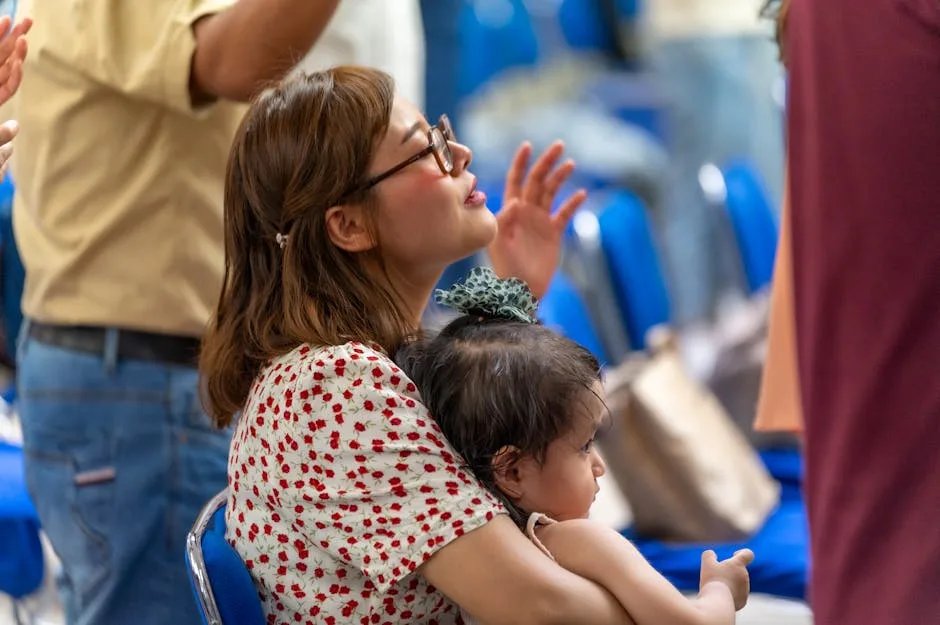
Pope Leo XIV teaches that "gratitude is the soil in which joy grows and faith flourishes. When we train our hearts to recognize God's gifts, we discover that his blessings surround us like air—invisible until we pay attention, but essential for spiritual life."
Biblical Foundation of Gratitude
Scripture presents gratitude as both command and key to spiritual health: **Command to Give Thanks**: "Give thanks in all circumstances; for this is God's will for you in Christ Jesus" (1 Thessalonians 5:18). **Gratitude in Worship**: The Psalms repeatedly call God's people to praise him with thanksgiving. **Jesus' Example**: Jesus gave thanks before meals, for answered prayer, and even in difficult circumstances. **Paul's Practice**: Despite imprisonment and suffering, Paul consistently expressed gratitude to God. **Thanksgiving Sacrifice**: Old Testament sacrifices included thank offerings that celebrated God's goodness.**
Biblical gratitude is not dependent on circumstances but grounded in God's character and promises.
The Eucharist Foundation
The word "Eucharist" means thanksgiving, making gratitude central to Christian worship and identity.
The Science of Gratitude
Research confirms what Scripture teaches about gratitude's transformative power: **Improved Mental Health**: Grateful people experience less depression, anxiety, and stress. **Better Physical Health**: Gratitude practices improve sleep, immune function, and cardiovascular health. **Enhanced Relationships**: Grateful people are more generous, forgiving, and socially connected. **Increased Resilience**: Gratitude helps people cope with trauma and adversity more effectively. **Greater Life Satisfaction**: Thankful people report higher levels of happiness and contentment. **Improved Focus**: Gratitude shifts attention from what's lacking to what's present.**
Science validates what faith has always known—gratitude is good for the whole person.
Neuroplasticity and Thankfulness
Regular gratitude practice literally rewires the brain to notice positive experiences more readily.
Starting a Gratitude Journal
Written gratitude practices provide structure for developing thankfulness: **Daily Entries**: Write 3-5 specific things you're grateful for each day. **Specific Details**: Include particular reasons why you're thankful rather than general statements. **Variety**: Look for different types of blessings—relationships, experiences, provisions, character growth. **Challenges**: Include difficulties that led to growth or revealed God's faithfulness. **Answers to Prayer**: Record specific ways God has responded to your requests. **Seasonal Reviews**: Periodically read past entries to remember God's faithfulness over time.**
Written gratitude creates permanent record of God's goodness in your life.
The Memory Stone Principle
Like Old Testament memorial stones, gratitude journals help us remember God's faithfulness during difficult seasons.
Gratitude in Prayer
Thanksgiving can transform your prayer life: **Begin with Thanks**: Start prayer times by acknowledging God's goodness and specific blessings. **ACTS Model**: Use Adoration, Confession, Thanksgiving, Supplication as prayer framework. **Intercessory Gratitude**: Thank God for answers to prayers for others, even before you see results. **Difficult Situation Thanks**: Look for ways to thank God even in the midst of challenges. **Attribute Praise**: Thank God for his character qualities—love, faithfulness, wisdom, power. **Daily Provision**: Acknowledge God's provision of basic needs—food, shelter, safety, relationships.**
Grateful prayer deepens awareness of God's active involvement in daily life.
Before Petition
Beginning prayer with gratitude puts requests in proper perspective and demonstrates trust in God's goodness.
Mealtime Gratitude
Food provides natural opportunities for practicing thankfulness: **Blessing Prayers**: Thank God before meals for food, provision, and the hands that prepared it. **Source Awareness**: Consider the farmers, workers, and natural processes that brought food to your table. **Global Perspective**: Remember those who have less and use meals as reminders to help the hungry. **Gathering Gratitude**: Thank God for family and friends who share meals with you. **Nutrition Appreciation**: Thank God for bodies that can enjoy and be nourished by food. **Seasonal Celebration**: Acknowledge seasonal foods as reminders of God's creation cycles.**
Mealtime gratitude transforms routine eating into worship experiences.
Jesus' Example
Jesus consistently gave thanks before meals, modeling this practice for his followers.
Gratitude for Difficult Experiences
Christian gratitude includes thankfulness even in painful circumstances: **Growth Opportunities**: Thank God for ways difficulties have developed character or faith. **Deeper Relationships**: Appreciate how challenges have strengthened bonds with family and friends. **Increased Compassion**: Be grateful for greater understanding of others' struggles. **Dependence on God**: Thank God for how difficulties have drawn you closer to him. **Eternal Perspective**: Express gratitude for reminders that this world is not our permanent home. **Community Support**: Thank God for people who provided help during difficult times.**
This doesn't mean being grateful for evil itself but for God's redemptive work through difficulties.
Romans 8:28 Gratitude
Thank God that he works all things together for good, even when we can't see how.
Teaching Children Gratitude
Families can cultivate thankfulness in children: **Modeling**: Children learn gratitude more through observing parents' attitudes than through instruction. **Bedtime Thanks**: End each day by sharing things family members are grateful for. **Thank You Notes**: Help children write thank you notes for gifts and kindnesses received. **Service Projects**: Engage in activities that help children appreciate their blessings by helping others. **Gratitude Games**: Create fun activities that focus attention on blessings and positive experiences. **Delayed Gratification**: Teach children to wait for things they want, increasing appreciation when received.**
Early gratitude habits create lifelong patterns of thankfulness.
Generational Thankfulness
Grateful families tend to produce grateful children who carry thankfulness into their own families.
Gratitude in Community
Shared gratitude strengthens Christian fellowship: **Testimony Time**: Share stories of God's faithfulness and answered prayers with others. **Prayer Meetings**: Include significant time for corporate thanksgiving in prayer gatherings. **Celebration Services**: Organize worship services focused specifically on gratitude and praise. **Thank You Ministry**: Write notes of appreciation to people who serve in church ministries. **Milestone Recognition**: Celebrate baptisms, anniversaries, and spiritual growth achievements. **Community Blessings**: Acknowledge ways God has blessed your church and community together.**
Community gratitude builds faith and encourages others to recognize God's goodness.
Mutual Encouragement
Sharing gratitude experiences encourages others and creates cycles of positive spiritual influence.
Overcoming Gratitude Obstacles
Several factors can hinder gratitude practice: **Comparison**: Focusing on what others have rather than appreciating your own blessings. **Entitlement**: Expecting good things rather than receiving them as gifts. **Hurried Lifestyle**: Moving too quickly to notice daily blessings and provisions. **Negative Focus**: Habitually noticing problems more readily than positive experiences. **Material Preoccupation**: Focusing on material possessions rather than relationships and spiritual blessings. **Crisis Overwhelm**: Allowing current difficulties to eclipse awareness of ongoing blessings.**
Recognizing obstacles helps develop strategies for maintaining grateful attitudes.
Mindfulness and Gratitude
Slowing down and paying attention are prerequisites for noticing God's gifts in daily life.
Seasonal Gratitude Practices
Different times of year offer unique opportunities for thankfulness: **Spring**: Thank God for new life, renewal, and growth opportunities. **Summer**: Appreciate warmth, outdoor activities, and vacation rest. **Autumn**: Thank God for harvest, provision, and seasonal beauty. **Winter**: Appreciate family time, reflection opportunities, and cozy shelter. **Holidays**: Use celebrations to focus on specific aspects of God's goodness. **Personal Anniversaries**: Remember God's faithfulness on birthdays, conversion dates, or other significant dates.**
Seasonal gratitude creates rhythm that prevents thankfulness from becoming routine or forgotten.
Creation's Testimony
Seasonal changes provide natural reminders of God's faithfulness and creative power.
Gratitude for Spiritual Blessings
Don't overlook spiritual gifts when practicing gratitude: **Salvation**: Thank God regularly for forgiveness, eternal life, and relationship with him. **Scripture**: Appreciate God's written revelation and its guidance for life. **Prayer Access**: Thank God for the privilege of direct communication with him. **Spiritual Growth**: Acknowledge God's work in developing your character and faith. **Church Community**: Appreciate fellow believers and opportunities for corporate worship. **Spiritual Gifts**: Thank God for abilities he's given you to serve others and advance his kingdom.**
Spiritual blessings often surpass material provisions in their lasting significance.
Ephesians 1 Praise
Paul's thanksgiving for spiritual blessings in Ephesians 1 provides a model for appreciating God's spiritual gifts.
Gratitude During Suffering
Maintaining thankfulness during painful seasons requires special intentionality: **Past Faithfulness**: Remember times when God has provided help and comfort in previous difficulties. **Present Provisions**: Look for current evidences of God's care, even amid pain. **Community Support**: Thank God for people who provide practical help and emotional support. **Spiritual Strength**: Appreciate God's grace that enables you to endure more than you thought possible. **Eternal Hope**: Thank God for promises about future restoration and healing. **Character Development**: Acknowledge growth in faith, patience, or compassion through suffering.**
Grateful suffering demonstrates faith that transcends circumstances.
Job's Example
Even in extreme suffering, Job maintained that "the Lord gave and the Lord has taken away; may the name of the Lord be praised" (Job 1:21).
Technology and Gratitude
Modern tools can support gratitude practices: **Gratitude Apps**: Use smartphone applications designed to facilitate daily gratitude journaling. **Photo Gratitude**: Take pictures of things you're grateful for as visual reminders. **Social Media**: Share gratitude posts that encourage others rather than complaining or comparing. **Voice Recordings**: Record gratitude reflections that you can replay for encouragement. **Digital Sharing**: Send thank you messages and appreciation notes through email or text. **Online Communities**: Participate in groups focused on gratitude and positive spiritual practices.**
Technology should enhance rather than replace authentic gratitude practices.
Digital Sabbath Gratitude
Regular breaks from technology create space for deeper gratitude reflection without digital distractions.
Conclusion: A Life of Thanksgiving
Gratitude is not just an occasional spiritual exercise but a way of life that transforms everything it touches. When Christians develop habits of consistent thankfulness, they discover that joy, peace, and contentment flow naturally from hearts that regularly recognize God's goodness.
Daily gratitude practices train our spiritual eyes to see God's gifts that surround us constantly. In cultivating thankfulness, we participate in the eternal worship that will characterize heaven, where gratitude and praise never end. Starting today, we can choose to live with grateful hearts that honor God and bless our own souls.

Comentarios