
In our word-filled, thought-heavy culture, many Christians long for deeper connection with God that transcends mental activity. Centering Prayer offers a pathway into contemplative intimacy with the Divine, drawing from centuries of Christian mystical tradition while remaining accessible to modern believers seeking profound spiritual encounter.
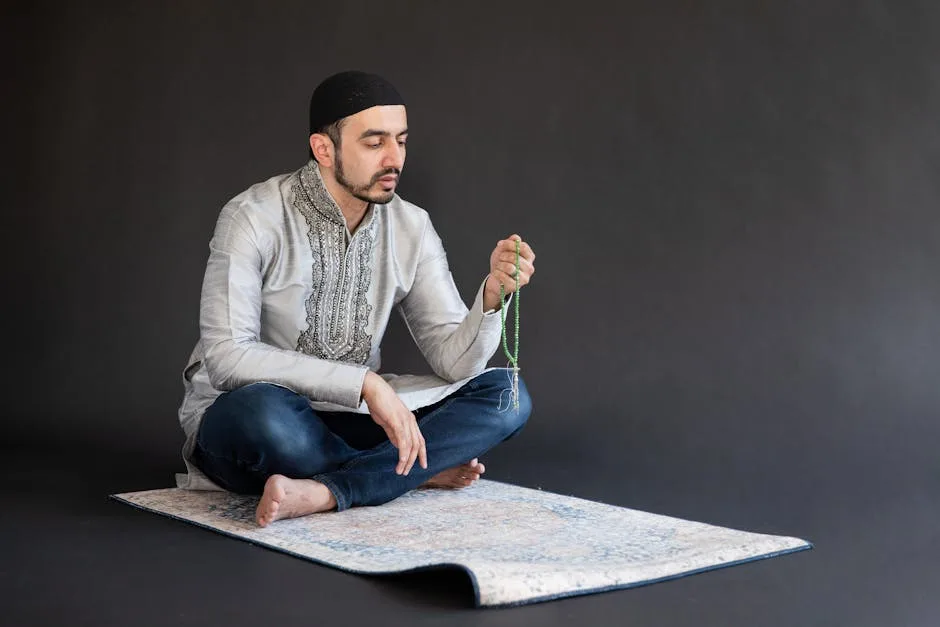
Pope Leo XIV teaches that "God's deepest communications often come not through words but through presence. In the stillness of contemplative prayer, we discover that the silence itself becomes a form of divine conversation, where our spirits commune with the Spirit of God beyond the realm of thoughts and concepts."
Historical Roots
Centering Prayer draws from the rich tradition of Christian contemplatives including the Desert Fathers, John of the Cross, Teresa of Ávila, and Meister Eckhart. These saints discovered that moving beyond discursive prayer into pure presence with God leads to profound transformation and union with the Divine.
The modern Centering Prayer movement, developed by Trappist monks Thomas Keating, William Menninger, and Basil Pennington, makes this ancient wisdom accessible to contemporary Christians.
The Cloud of Unknowing
This medieval mystical text describes prayer that moves beyond knowing to loving, beyond thinking about God to simply being present with God in love.
Basic Method
Centering Prayer follows a simple yet profound method: **Choose a Sacred Word**: Select a word that expresses your intention to be present with God (such as "Jesus," "Peace," "Love," or "Abba"). **Settle into Silence**: Find a comfortable position and internally introduce your sacred word as you begin to quiet your mind. **Release Thoughts**: When you notice thoughts arising, gently return to your sacred word without judgment or struggle. **Rest in God**: Allow yourself to sink deeper into wordless presence with the Divine. **Close Gently**: End with a familiar prayer like the Lord's Prayer to transition back to ordinary consciousness.
The sacred word is not a mantra but a gentle means of returning to your intention when thoughts intervene.
Not Emptying but Filling
Centering Prayer does not seek to empty the mind but to fill it with God's presence beyond thoughts and images.
Common Misconceptions
Several misunderstandings can hinder Centering Prayer practice: **It's Not Meditation Techniques from Other Religions**: While sharing some similarities with other contemplative practices, Centering Prayer is distinctively Christian, oriented toward relationship with the Trinity. **It's Not Anti-Intellectual**: This prayer complements rather than replaces scriptural study and theological reflection. **It's Not Passive Quietism**: The practice involves active consent to God's presence and work within us. **It's Not Immediate Mystical Experience**: Most practitioners experience ordinary prayer with occasional deeper moments rather than constant mystical states. **It's Not Escape from Life**: Authentic contemplative prayer enhances rather than diminishes engagement with daily responsibilities.
Contemplation and Action
True contemplative prayer deepens our capacity for loving service rather than withdrawing us from practical Christian life.
Dealing with Thoughts
The most common challenge in Centering Prayer involves handling the constant stream of thoughts: **Expect Thoughts**: Recognize that thinking is normal and not a failure in prayer. **Gentle Release**: When you notice thoughts, gently return to your sacred word without analyzing or fighting the thoughts. **No Judgment**: Avoid critiquing yourself for getting distracted; this is part of the process. **Trust the Process**: Even when prayer feels like constant distraction, God is working beneath the surface level of consciousness. **Patience with Growth**: Contemplative skills develop gradually through consistent practice over time.
Thoughts as Boats on a River
Imagine thoughts as boats floating down a river. Notice them but don't get on board; let them pass while you rest on the riverbank with God.
Physical Preparation
Creating conducive conditions supports contemplative practice: **Comfortable Posture**: Sit upright in a way that is alert but relaxed, avoiding positions that cause discomfort or drowsiness. **Quiet Environment**: Choose locations with minimal distractions, though some background noise is acceptable. **Consistent Timing**: Establish regular prayer periods, typically 20-40 minutes once or twice daily. **Sacred Space**: Designate a specific area for contemplative prayer if possible. **Breathing Awareness**: Use natural breathing patterns to help settle into prayer, though avoid focusing on breath as the primary technique.
Inner Sanctuary
The most important sacred space is the sanctuary of your heart where you meet God in prayer.
Spiritual Fruits
Regular Centering Prayer practice typically produces various spiritual benefits: **Deeper Peace**: Greater equanimity and inner stability amid life's challenges. **Enhanced Love**: Increased capacity for compassion, patience, and self-sacrifice. **Spiritual Freedom**: Liberation from compulsive behaviors and anxiety patterns. **Intimate Union**: Closer relationship with God that transcends emotional fluctuations. **Contemplative Awareness**: Ability to sense God's presence throughout daily activities. **Purification**: Gradual healing of deep-seated emotional wounds and unconscious motivations.
These fruits emerge gradually through consistent practice rather than appearing immediately.
The Dark Night Experience
Many contemplatives experience periods of dryness or difficulty in prayer, which often indicate deeper spiritual growth rather than spiritual failure.
Integration with Scripture
Centering Prayer complements rather than replaces biblical engagement: **Lectio Divina**: Use contemplative reading of Scripture to prepare for or follow Centering Prayer sessions. **Biblical Foundation**: Ground contemplative practice in scriptural understanding of God's character and our relationship with him. **Prayer Balance**: Maintain various forms of prayer including petition, praise, confession, and contemplation. **Community Worship**: Participate actively in congregational worship and sacramental life. **Theological Grounding**: Study Christian doctrine to provide framework for contemplative experience.
Mary and Martha
Like Mary sitting at Jesus' feet, Centering Prayer represents the "better part" of simply being present with the Lord in love.
Community Practice
While primarily individual practice, Centering Prayer benefits from community support: **Prayer Groups**: Join or form groups that practice Centering Prayer together regularly. **Spiritual Direction**: Work with experienced spiritual directors who understand contemplative prayer. **Retreats**: Participate in retreats focused on deepening contemplative practice. **Teaching Ministry**: Share Centering Prayer with others once you have established consistent practice. **Reading Groups**: Study contemplative texts with others pursuing deeper prayer life.
Contemplative Community
Contemplatives throughout history have supported each other in pursuing deeper union with God through prayer.
Challenges and Obstacles
Common difficulties in developing Centering Prayer practice: **Time Pressures**: Feeling too busy for extended prayer periods. **Restlessness**: Difficulty sitting still for contemplative prayer sessions. **Doubt**: Wondering whether anything is actually happening during prayer. **Dryness**: Experiencing periods when prayer feels empty or difficult. **Distractions**: External or internal interruptions to contemplative focus. **Spiritual Pride**: Becoming self-conscious about advanced prayer practices. **Isolation**: Practicing without community support or guidance.**
Each challenge offers opportunities for deeper trust and surrender to God.
Faith in the Darkness
Contemplative prayer often requires faith that God is working even when we don't sense his presence clearly.
Daily Life Integration
Centering Prayer affects ordinary living through: **Mindful Presence**: Increased awareness of God's presence throughout daily activities. **Reduced Reactivity**: Less automatic emotional reactions to stress and conflict. **Deeper Listening**: Enhanced ability to truly hear others in conversations. **Contemplative Attitude**: Approaching life situations with greater openness and trust. **Service Motivation**: Prayer experience naturally flowing into loving action toward others.
The goal is contemplatives in action rather than escape from worldly responsibilities.
Practicing the Presence
Like Brother Lawrence, learn to maintain awareness of God's presence while performing ordinary tasks and duties.
Starting Your Practice
Begin Centering Prayer with realistic expectations: **Start Small**: Begin with 10-15 minute sessions rather than attempting lengthy periods immediately. **Be Consistent**: Regular short sessions are more beneficial than occasional long ones. **Find Resources**: Read foundational texts and perhaps attend an introductory workshop. **Seek Guidance**: Consider working with a spiritual director experienced in contemplative prayer. **Join Community**: Connect with others practicing Centering Prayer for mutual support and encouragement. **Be Patient**: Allow months or years for the practice to deepen rather than expecting immediate results.
Conclusion: Union with the Beloved
Centering Prayer offers a pathway into the deep intimacy with God that our hearts crave. While requiring patience and perseverance, this ancient-yet-contemporary practice can transform our relationship with the Divine from primarily conceptual to deeply experiential.
In a world filled with noise and activity, Centering Prayer provides a sanctuary of silence where we discover that God has been present all along, waiting for us in the depths of our being. Through regular contemplative practice, we learn that the deepest prayer often involves not speaking to God but simply being with God in wordless love.

Comentarios