
We live in an age of unprecedented noise. From the moment we wake to streaming notifications until we fall asleep to background television, our lives are filled with constant sound and stimulation. Yet in this cacophony, our souls cry out for something our culture rarely provides: the gift of silence.
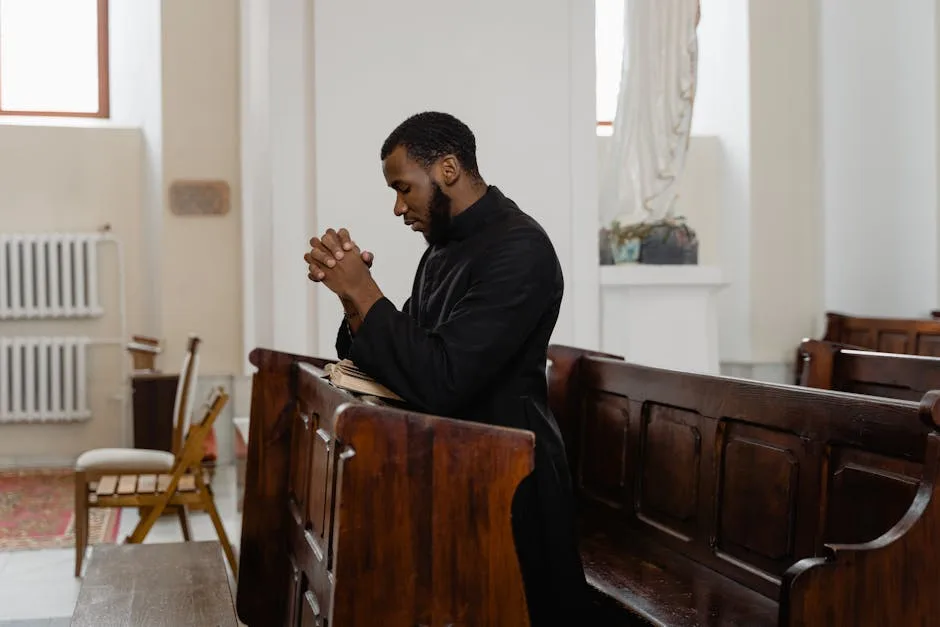
Pope Leo XIV reflects, "In silence, we discover not emptiness but fullness—not the absence of God but his intimate presence. The noise of the world often drowns out the whisper of the divine, but in quiet moments, we can hear the voice that speaks peace to our souls."
The Biblical Foundation of Silence
Scripture reveals silence as a sacred space where God often chooses to meet his people. Elijah discovered God not in the earthquake, wind, or fire, but in "a gentle whisper" (1 Kings 19:12). The Psalmist calls us to "be still, and know that I am God" (Psalm 46:10).
Jesus himself regularly withdrew to quiet places for prayer and communion with the Father, modeling for us the necessity of silence in spiritual life.
The Sound of Sheer Silence
The Hebrew phrase describing God's presence to Elijah literally means "the voice of thin silence" or "the sound of sheer silence." This paradoxical description suggests that silence itself becomes a form of divine communication.
The Assault on Silence
Modern technology has made silence increasingly rare. Our devices demand constant attention through notifications, alerts, and updates. Even our "quiet" moments are often filled with background music, podcasts, or the hum of electronic devices.
This constant stimulation can lead to spiritual restlessness, anxiety, and inability to sense God's presence in our lives.
The Fear of Quiet
Many people feel uncomfortable with silence, quickly filling any quiet moment with entertainment or distraction. This "fear of missing out" or simple discomfort with our own thoughts can prevent us from experiencing the gifts that silence offers.
Physical Benefits of Silence
Scientific research confirms what spiritual traditions have long known—silence benefits both body and soul: Reduces stress hormones and blood pressure. Improves concentration and mental clarity. Enhances creativity and problem-solving abilities. Promotes better sleep and physical rest. Strengthens immune system function.
God designed our bodies and minds to benefit from regular periods of quiet rest.
The Noise-Stressed Brain
Constant noise exposure creates chronic stress that affects our physical health and spiritual sensitivity. Our brains need quiet periods to process experiences and restore optimal function.
Creating Spaces for Silence
Cultivating silence requires intentional effort in our noisy world: Designate specific times for phone-free quiet periods. Create physical spaces in your home dedicated to silence and prayer. Use noise-cancelling headphones or earplugs when necessary. Choose walking routes away from traffic and crowds. Practice eating meals in silence occasionally. Turn off background music and television regularly.
The Sacred Space Within
While external quiet helps, true silence involves creating interior space free from mental chatter and distracting thoughts. This inner sanctuary can be accessed even in noisy environments.
Types of Silence
Different forms of silence serve various spiritual purposes: Contemplative silence opens us to God's presence without agenda. Meditative silence focuses attention on particular spiritual truths. Listening silence creates space to hear God's guidance. Grateful silence acknowledges God's goodness and provision. Penitential silence creates space for confession and forgiveness. Waiting silence trusts God's timing for answers and direction.
The Silence of Presence
Sometimes the most profound form of prayer involves simply being present with God in quiet love, without words or specific intentions—resting in divine embrace.
Overcoming Resistance to Silence
Many people find silence initially uncomfortable or boring: Start with very brief periods (2-3 minutes) and gradually extend them. Expect your mind to wander and gently return attention to God's presence. Don't judge thoughts that arise; simply notice them and let them pass. Remember that feeling "bored" in prayer is normal and not a failure. Use gentle focusing techniques like following your breath or repeating a simple prayer phrase.
The Discipline of Stillness
Like any spiritual discipline, silence requires practice and patience. The benefits often emerge gradually rather than immediately.
Silence in Community
Shared silence can be powerful in group settings: Family meals occasionally eaten in quiet reflection. Church services incorporating periods of communal silence. Prayer groups balancing spoken and silent prayer. Walking groups that practice quiet communion with nature. Bible study groups allowing silence for personal reflection on Scripture.
Teaching Children Silence
In our over-scheduled, over-stimulated culture, children especially benefit from learning to appreciate quiet moments and inner stillness.
The Dark Night of Silence
Sometimes silence feels empty or even distressing. This "dark night of the soul" experience, described by mystics like John of the Cross, can be part of spiritual growth rather than failure in prayer.
During difficult periods, simply remaining faithful to silent prayer, even when it feels unproductive, can deepen our trust and dependence on God.
Faith in the Darkness
God is present even when we cannot sense him. Continuing to show up for silent prayer during dry periods demonstrates faith and commitment.
Silence and Sabbath
The Sabbath principle includes rest from not only work but also from constant noise and stimulation. Creating weekly rhythms that include extended periods of silence honors both our need for rest and God's design for human flourishing.
Use Sabbath time for extended silent prayer, quiet walks in nature, or simply sitting peacefully without agenda.
The Sabbath of the Heart
Beyond weekly Sabbath observance, we can cultivate "sabbath moments" throughout each day—brief pauses that restore perspective and peace.
Silence and Listening
True silence involves not just the absence of external noise but active listening for God's voice. This requires: Releasing our agendas and expectations. Opening our hearts to receive whatever God wants to communicate. Trusting that God desires to speak to us personally. Learning to distinguish God's voice from other inner voices. Recording insights that emerge during silent prayer.
The School of Listening
Silence becomes a classroom where we learn to recognize God's voice and distinguish it from our own thoughts, cultural messages, or spiritual deception.
Practical Steps for Daily Silence
Integrate silence into your daily routine: Begin each day with five minutes of quiet before checking devices. Take silent breaks between activities or meetings. Practice silent gratitude before meals. End days with quiet reflection instead of screen time. Use transition times (in cars, elevators, waiting rooms) for brief silent prayer. Walk or exercise in silence occasionally. Maintain phone-free zones in bedrooms and dining areas.
Silence and Decision-Making
Many important decisions benefit from periods of silent reflection and prayer. Instead of rushing into choices or consulting endless opinions, create space for quiet consideration of options in God's presence.
Silence helps us access wisdom that often gets drowned out by external pressures and internal anxieties.
The Wisdom of Waiting
Silent periods before making major decisions allow time for emotions to settle and for deeper wisdom to emerge.
Conclusion: The Music of Silence
In our noisy, distracted world, silence becomes a counter-cultural spiritual practice that opens space for encounter with the living God. Far from being empty or boring, silence is pregnant with possibility and divine presence.
As we learn to embrace quiet moments and create space for silence in our lives, we discover that God has been speaking all along—we simply needed to become quiet enough to listen. In the gift of silence, we find not loneliness but communion, not emptiness but fullness, not absence but the intimate presence of the One who loves us beyond words.



Commentaires