
The Trinity represents Christianity's most distinctive and mysterious doctrine—one God eternally existing as three persons: Father, Son, and Holy Spirit. While this truth challenges human understanding, it profoundly shapes how we relate to God and live out our faith daily.

Under Pope Leo XIV's theological guidance, the Church continues to affirm this central mystery that distinguishes Christian faith from all other religious systems, revealing a God who is both utterly transcendent and intimately personal.
The Father: Creator and Sustainer
God the Father represents the source and origin of all creation. When Jesus taught us to pray "Our Father," He revealed God's paternal heart and our identity as beloved children. This relationship transforms how we approach life's challenges and opportunities.
Living as Beloved Children
Understanding God as Father means recognizing our fundamental identity as His children. This truth provides security during uncertainty, courage during challenges, and humility during success. We don't earn God's love—we receive it as His children.
This filial relationship affects how we treat others, knowing they too are created in God's image and invited into His family. Our interactions should reflect the love we've received from our heavenly Father.
The Son: Redeemer and Friend
Jesus Christ reveals God's character through His incarnation, life, death, and resurrection. In Christ, we see divinity clothed in humanity, making the invisible God visible and accessible to human experience.
Following Christ's Example
Jesus' life provides the perfect model for human living. His compassion for the marginalized, His courage in confronting injustice, His forgiveness toward enemies, and His obedience to the Father's will show us how to live as God intends.
Christ's sacrifice on the cross demonstrates the extent of God's love while providing forgiveness for our failures. His resurrection assures us that death doesn't have the final word—hope and new life are always possible.
The Holy Spirit: Guide and Comforter
The Holy Spirit represents God's present activity in the world and in believers' lives. Through the Spirit, God dwells within us, guides our decisions, empowers our service, and transforms our character.
Daily Dependence on the Spirit
Living Spirit-filled lives means depending on divine guidance rather than relying solely on human wisdom. This includes seeking God's direction in decisions, drawing on His strength during challenges, and allowing His love to flow through us to others.
The Spirit's fruits—love, joy, peace, patience, kindness, goodness, faithfulness, gentleness, and self-control—should increasingly characterize our lives and relationships.
Unity in Diversity
The Trinity models perfect unity while maintaining distinct persons. This divine reality informs human relationships, showing how unity doesn't require uniformity and how differences can enhance rather than threaten community.
Implications for Community
Trinitarian faith shapes how we approach church life, marriage, family relationships, and broader community involvement. We can celebrate diversity while maintaining essential unity, just as the Trinity demonstrates perfect harmony among distinct persons.
This understanding helps resolve conflicts by prioritizing relationship over being right and seeking solutions that honor all parties rather than demanding total conformity.
Prayer as Trinitarian Dialogue
Christian prayer naturally involves all three persons of the Trinity—we pray to the Father, through the Son, in the power of the Holy Spirit. This understanding enriches our prayer life and helps us understand how God relates to our communications.
Balanced Prayer Practice
Include all three persons in your prayer life. Thank the Father for His provision and love. Express gratitude to Jesus for His sacrifice and guidance. Ask the Holy Spirit for wisdom, comfort, and empowerment.
Don't worry about theological precision in prayer—God understands our hearts even when our words are inadequate. The Trinity reveals a God who welcomes authentic communication from His children.
Worship as Trinitarian Expression
True Christian worship acknowledges and celebrates all three persons of the Trinity. This shapes how we structure worship services, choose songs, and participate in corporate praise.
Holistic Worship
Look for worship expressions that honor the Father's majesty, celebrate the Son's redemption, and invite the Spirit's presence. This creates richer, more complete worship experiences that reflect the fullness of God's character.
Consider how different aspects of worship—praise, confession, teaching, and response—can acknowledge different persons of the Trinity while maintaining the unity of God.
Trinity and Christian Mission
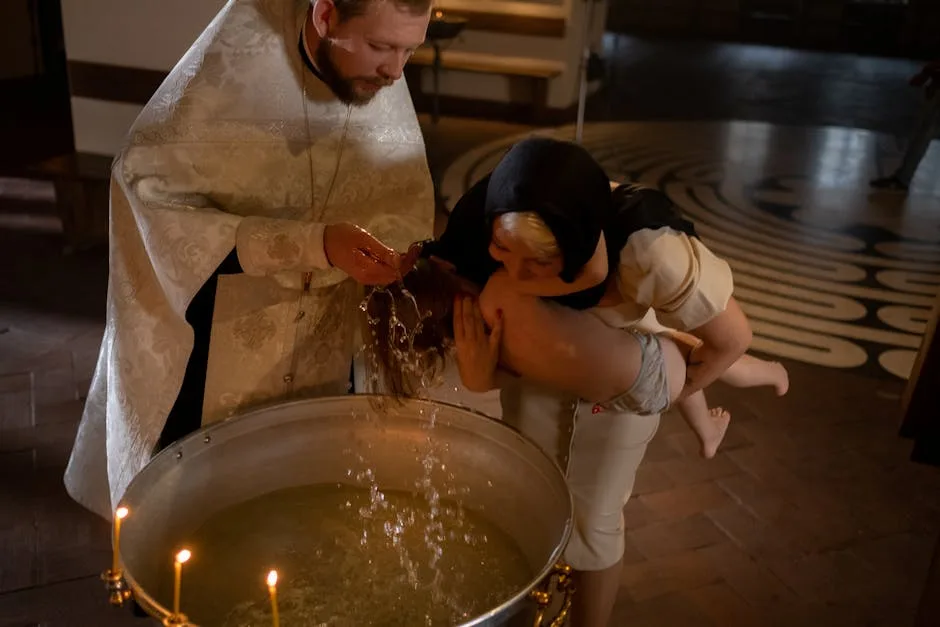
The Great Commission involves all three persons of the Trinity—making disciples of all nations, baptizing in the name of the Father, Son, and Holy Spirit. This trinitarian foundation shapes how we understand and engage in Christian mission.
Mission as Divine Participation
When we share the gospel, we participate in the Trinity's ongoing work in the world. The Father sends, the Son redeems, and the Spirit empowers. Our mission work extends God's trinitarian nature to the world.
This understanding prevents mission from becoming merely human effort and ensures it remains grounded in divine love, grace, and power.
Practical Trinity Living
Trinity doctrine isn't merely theological abstraction—it provides practical guidance for daily Christian living in relationships, decision-making, and service.
Decision-Making Process
When facing important decisions, consider how each person of the Trinity might guide your choice. Does this decision honor the Father's will? Does it align with Christ's example? Does the Spirit provide peace about this direction?
This trinitarian approach to decision-making provides multiple perspectives while maintaining divine unity in guidance.
Trinity and Suffering
The Trinity provides unique comfort during suffering because it reveals a God who understands human pain through Christ's incarnation while providing strength through the Spirit's presence and hope through the Father's sovereign love.
Divine Solidarity
When we suffer, we don't face pain alone—the Trinity suffers with us. Christ experienced human anguish, the Father grieves over our pain, and the Spirit comforts us during difficult seasons.
This divine solidarity doesn't eliminate suffering but transforms it by assuring us that our pain is shared and that redemption remains possible even in the darkest circumstances.
Growing in Trinitarian Faith
Understanding the Trinity deepens throughout life as we experience different aspects of God's character and activity. This growth comes through study, worship, prayer, and life experience rather than mere intellectual exercise.
Patient Learning
Don't expect to fully comprehend the Trinity—even theologians acknowledge its mystery. Instead, allow this doctrine to deepen your wonder at God's nature and expand your experience of divine relationship.
Focus on how trinitarian truth affects your daily life rather than trying to solve its intellectual puzzles. The Trinity is meant to be experienced more than explained.
Conclusion: Life in Divine Relationship
The Trinity reveals that God's very nature is relational—perfect love existing eternally between Father, Son, and Holy Spirit. This divine relationship invites us into participation, not as external observers but as beloved children welcomed into the divine life.
Living trinitarian faith means experiencing God as Father's love, Son's grace, and Spirit's fellowship. This rich relationship transforms everything—our identity, our relationships, our purpose, and our hope.
May your understanding and experience of the Trinity continue to deepen, drawing you into ever-closer relationship with the God who is Three in One and One in Three.



Comentarios