
In the gentle cadence of Psalm 98:1, we discover a beautiful invitation that has echoed through centuries of Christian worship: "Oh sing to the LORD a new song, for he has done marvelous things!" These ancient words capture something profound about the nature of authentic worship—it springs not from human creativity alone but from fresh encounters with God's unchanging glory. When our hearts truly see who God is and what He has accomplished, we cannot help but burst into song, creating melodies that are both timeless and entirely new.
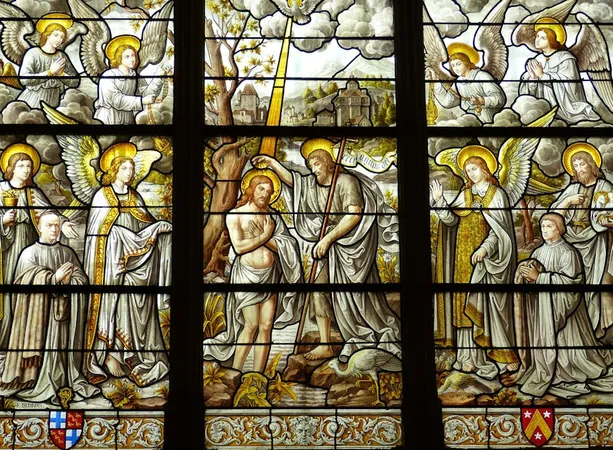
The question of what sparks new worship songs has occupied theologians, musicians, and worship leaders for generations. In his exploration of this psalm, John Piper opens our eyes to a fundamental truth: new songs are born from renewed sight. When believers experience fresh revelations of God's character, witness His mighty acts, or discover previously hidden aspects of His love, the natural response is worship that feels both familiar and revolutionary.
The Paradox of Ancient and New
There exists a beautiful tension in Christian worship between honoring historic expressions of faith and embracing contemporary forms of praise. The psalmist's call for "new songs" doesn't dismiss the value of ancient hymns and traditional liturgies—rather, it recognizes that each generation must find its own voice for expressing timeless truths about God's character and works.
This paradox reveals itself most clearly in the life of the church, where century-old hymns can feel as fresh as yesterday's contemporary choruses when sung by hearts that have been touched anew by God's grace. The "newness" that the psalm celebrates isn't merely about musical innovation or stylistic creativity—it's about the perpetual freshness of encountering the living God who is both ancient of days and eternally present.
Consider how the great hymn writers of the past created their lasting works: Charles Wesley penning "And Can It Be" after his conversion experience, Fanny Crosby writing "Blessed Assurance" from her deep personal relationship with Jesus, or John Newton crafting "Amazing Grace" out of his overwhelming gratitude for divine mercy. These songs became "new" not through musical novelty but through authentic encounters with God's transforming power.
"True worship renewal comes not from trying to manufacture fresh expressions but from allowing fresh encounters with God's glory to overflow into song."
Glory as the Source
Psalm 98:1 points us toward the ultimate source of genuine worship renewal: God's marvelous deeds. The Hebrew word translated "marvelous things" carries connotations of wonder, miracle, and acts that cause observers to stand in amazement. When we witness or contemplate such divine works, our hearts naturally respond with expressions of praise that feel both adequate to the moment and inadequate to capture its full significance.
This pattern repeats throughout Scripture and church history. Moses and Miriam led Israel in new songs after witnessing God's victory at the Red Sea. David's psalms emerged from his personal experiences of God's protection and provision. Mary's Magnificat burst forth from her encounter with the angel and the miraculous news of Jesus' conception. Each new song arose from fresh revelation of God's character and power.
Contemporary worship follows this same pattern. The songs that endure and spread throughout the global church typically emerge from genuine spiritual encounters rather than commercial calculation or artistic ambition. Whether written by professional songwriters or unknown believers, the worship songs that touch hearts and stand the test of time usually spring from authentic experiences of God's love, holiness, mercy, or power.
This explains why some technically excellent compositions fail to connect with congregations while seemingly simple songs become beloved standards. The difference lies not in musical sophistication but in spiritual authenticity—whether the song emerges from and points toward genuine encounter with the divine.
The Role of Community
While individual encounters with God certainly inspire new worship expressions, the communal nature of Christian faith means that the most enduring new songs often emerge from and serve corporate worship experiences. The psalmist's invitation to sing new songs is addressed to the community of faith, recognizing that shared spiritual experiences create unique opportunities for collective praise.
Church history demonstrates this communal dimension repeatedly. The great revival movements have always produced distinctive hymnody that captured the spiritual zeitgeist of their particular moments. The Wesleyan revivals generated thousands of hymns that expressed Methodist theological emphases and experiential faith. The Azusa Street Revival birthed Pentecostal worship traditions that emphasized spiritual gifts and divine healing. Contemporary worship movements continue this pattern, creating songs that reflect their communities' particular insights into God's character and works.
This communal aspect of worship renewal challenges both individual artists and worship leaders to consider how their creative expressions serve the broader body of Christ. New songs find their truest purpose not in showcasing human talent but in facilitating corporate encounters with divine glory. The best worship leaders understand themselves as servants of the congregation's praise rather than performers of religious entertainment.
Modern churches face the ongoing challenge of balancing musical excellence with spiritual authenticity, contemporary relevance with theological depth, and artistic creativity with congregational accessibility. The most successful approaches typically ground musical innovation in solid biblical theology and authentic spiritual experience.
Renewal Through Fresh Perspective
Sometimes new songs emerge not from entirely new revelations but from fresh perspectives on familiar truths. The Christian faith contains inexhaustible depths that different generations, cultures, and individuals can explore and express in distinctive ways. A truth that previous generations understood primarily intellectually might be experienced emotionally by contemporary believers, or vice versa.
This dynamic explains why the church's worship repertoire continues expanding even though the fundamental truths it celebrates remain constant. Each generation discovers aspects of God's character that particularly resonate with their cultural context and spiritual needs. Contemporary Christians might emphasize God's faithfulness in ways that speak to anxious modern hearts, or celebrate His creativity in terms that connect with digitally-native worshippers.
The global nature of contemporary Christianity also contributes to worship renewal through cultural cross-pollination. Western churches discover fresh expressions of ancient truths through African rhythms, Asian melodies, or Latin American theological perspectives. These cross-cultural exchanges create new synthesis that honor both biblical truth and diverse human expressions of faith.
This cultural dimension of worship renewal reminds us that the call to sing "new songs" includes the invitation to discover how different communities within the global body of Christ understand and express their relationship with God. Unity in the faith allows for diversity in expression, creating a rich tapestry of worship that reflects the full spectrum of human response to divine glory.
"The church's worship tradition grows richer not by abandoning its past but by allowing each new generation to add its voice to the eternal song of praise."
Technology and Tradition
Contemporary worship faces unique opportunities and challenges related to technological advancement and global connectivity. Modern recording and distribution technologies allow worship songs to spread rapidly throughout the worldwide church, creating opportunities for global worship unity that previous generations could hardly imagine. A song written in Australia can be sung in American churches within months, creating shared worship experiences across vast distances.
Yet this technological connectivity also risks creating worship monoculture that suppresses local and cultural expressions of faith. The challenge for contemporary church leaders involves leveraging technology's benefits while preserving space for indigenous worship expressions that emerge from particular communities' unique encounters with God's glory.
The digital age also affects how believers encounter and respond to God's marvelous works. Social media can facilitate rapid sharing of testimony and praise, while online worship services provide access to spiritual community for isolated believers. These technological tools can serve the ancient call to sing new songs by creating new platforms for worship expression and new opportunities for community formation around shared spiritual experiences.
However, technology cannot substitute for the fundamental requirement that new worship emerge from authentic encounter with divine glory. The most sophisticated production values cannot compensate for spiritual emptiness, while the simplest technological tools can effectively serve hearts that have been genuinely touched by God's presence.
The Eternal Song
Ultimately, the call to sing new songs points toward an eschatological reality—the eternal worship described in Revelation where believers from every tribe, tongue, and nation join in perpetual praise of the Lamb. Our contemporary worship renewal participates in this cosmic song, adding temporal voices to eternal harmonies that will continue beyond earthly existence.
This eternal perspective provides both humility and confidence for contemporary worship leaders and participants. Humility comes from recognizing that our particular expressions of praise are temporary contributions to a much larger story. Confidence comes from knowing that authentic worship—whether expressed through ancient hymns or contemporary songs—participates in the eternal reality of heaven's worship.
The question "What sparks new worship songs?" ultimately points beyond musical technique or creative innovation toward the fundamental dynamic of spiritual life: encounter with the living God produces praise that must find expression. Whether through traditional or contemporary forms, individual or corporate expressions, simple or sophisticated musical arrangements, the wellspring remains the same—hearts that have seen God's glory and cannot remain silent.
As we consider how to cultivate and participate in authentic worship renewal, Psalm 98:1 provides clear guidance: focus not primarily on creating new forms but on encountering the God who has done and continues to do marvelous things. When our hearts truly see His glory, the songs will come—both old and new, familiar and fresh, ancient and contemporary—all flowing from the same eternal source of divine love that deserves our highest praise.
In our singing, whether of cherished hymns or cutting-edge compositions, we join the endless song that began before creation and will continue beyond time, adding our voices to the cosmic chorus that proclaims God's marvelous works to every generation. This is both our privilege and our calling—to sing the old songs with fresh hearts and to create new songs from ancient encounters with the God who is forever worthy of our praise.


Comentarios