
“See one, do one, and teach one.”
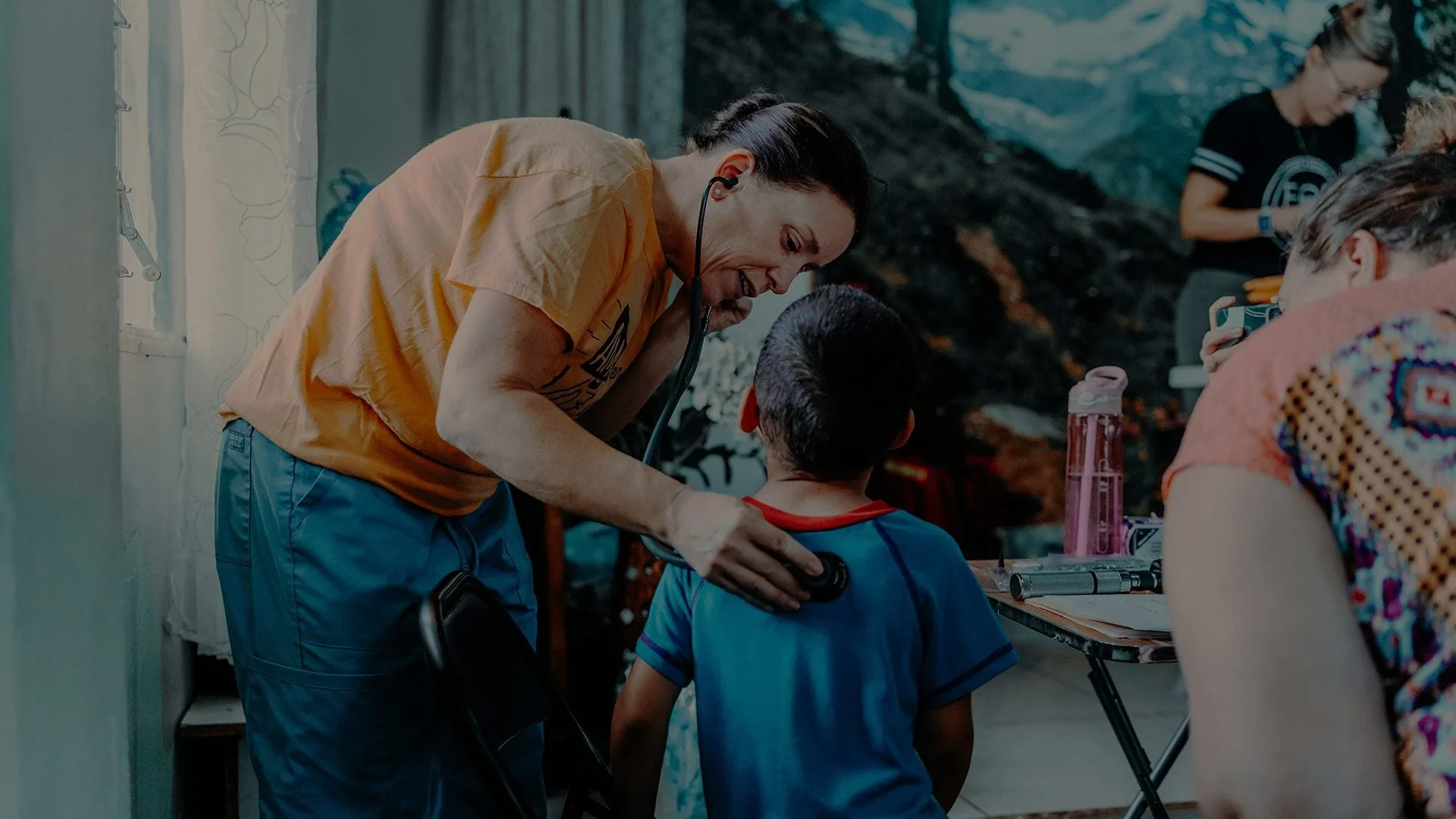
That’s the old adage for procedural learning in medicine, for everything from suturing a gashed knee to removing a gall bladder. It points to the importance of shared knowledge and experience.
I think a similar principle applies to medical missions: we observe, we share, and we invite others to come alongside us as we go to the nations to support church planting and church strengthening efforts.
As medical professionals and students join us abroad, we assume that time-honored role of physician-as-teacher, explaining what we have seen and done (and perhaps what we could have done better) in our particular context. With that in mind, I’d like to offer four recommendations for short-term medical work.
1. ALWAYS PARTNER WITH LOCAL BELIEVERS.
It just makes practical sense. Simple humanitarianism isn’t the goal, so align your efforts with a church or group of churches. They’ll be there for the long-haul to follow up on the conversations you have, and you’ll have a unique opportunity to encourage those brothers and sisters in their labors for the sake of the gospel. Although WhatsApp might allow you to stay in touch with a few of the people you’ll meet, it’s no substitute for the face-to-face ministry they will continue to have long after your trip has ended.
2. RESPECT THE LAW.
It seems straightforward, but the temptation to gloss over local regulations (which are often cumbersome and probably seldom upheld) can be quite strong. There may be lots of hoops to jump through to obtain a temporary medical license, but doing so models honesty and transparency amid all the rule-bending and line-breaking of the surrounding culture. Jesus, Paul, and Peter all encouraged believers to abide by civil law (Matthew 22:21, Romans 13:1–7, 1 Peter 2:13–17). A Robin Hood approach to medical practice doesn’t honor the Lord and likely looks no different than the daily dealings in the place you’re planning to serve.
3. ASK, DON’T ASSUME.
Naturally, you’ll want to anticipate what the medical needs in the community you’re visiting might be. Lots of mosquitoes in the area? Surely you should show up with mosquito nets and lots of antimalarial drugs. Lots of pinworms? You’ll certainly want to pack plenty of Pin-X for the children.
Well, not so fast. It’s possible that the local government is all over those problems, but has turned a blind eye to others. Blood glucose checks might not seem as flashy, but the community impact of the local churches you’re supporting will be all the greater if you provide a neglected-but-desired service—not fill home medicine cabinets with more of the same old pills. So ask, ask, ask what you might do to be helpful.
4. REMEMBER THAT DEPTH MATTERS MORE THAN BREADTH.
It may seem wise to offer a wide array of services, but can you reasonably pack all the equipment and supplies you’d need to do so? And if you won’t be working in your mother tongue, can you comfortably ask all the detailed questions you really need to have answered to make all of those diagnoses?
Pick just one or two services, learn how to do all the necessary asking and explaining in a culturally-appropriate way (the long-term missionary or on-the-ground believers can really help you out with this), and implement those services joyfully.
Will you have to turn some patients away because you didn’t bring exactly what they need? Almost certainly. But you’ll be less likely to leave behind confusion or complications that might frustrate locals and so indirectly sully the reputation of the church that hosted you.
If this all seems like a lot to consider, it is. But it’s well worth the effort. We want the church to shine radiantly as the gospel goes forth. And quality, compassionate medical care can be one facet of that brilliance as you join together with believers abroad to show the watching world what it truly means to do everything we do for the glory of God (1 Corinthians 10:31).
During his earthly ministry, Jesus healed many ailments as a fleeting foretaste of the new creation, but he’d ultimately come to proclaim God’s eternal kingdom. As his followers, we know that promoting good health isn’t the end goal but rather a means to engage in conversations about the things that really last and to invite others into the life of his Church.
But our work doesn’t stop there. We know that the New Testament churches enjoyed lasting partnerships with one another. They shared deeply and often—everything from financial resources to the letters Paul had written them.
So it is right and good to stir the hearts of our brothers and sisters back home, not by broadcasting the volume of patients seen but rather by recounting the small ways the Lord prospers ordinary, careful medical care. Our joy is fullest in fellowship, so we invite others to come and see and participate in the work.


Comentarios