
In a press release dated February 12, 2026, the Secretariat of the Conference of Catholic Bishops of Cuba announced that, "due to the worsening of the socioeconomic situation of the country, which has created instability and uncertainty in large sectors of the population," they have postponed their "ad limina" visit to Rome. This quinquennial pilgrimage, required of every bishop worldwide, represents far more than administrative obligation—it symbolizes the unity between local churches and the universal Church under Peter's successor.
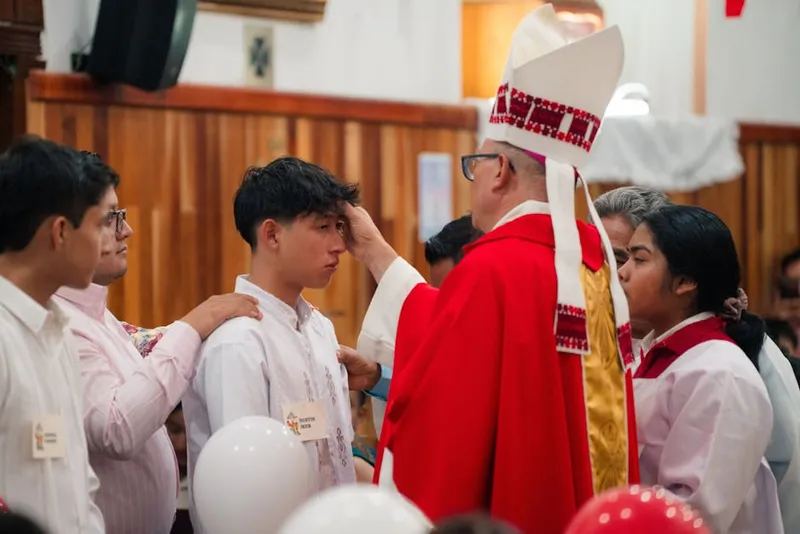
Understanding Ad Limina Visits
The term "ad limina" comes from the Latin phrase "ad limina apostolorum," meaning "to the threshold of the apostles." These visits, instituted in their modern form by Pope Sixtus V in 1585, require bishops to visit Rome every five years to report on their dioceses' spiritual and temporal state directly to the Holy Father. As Jesus told Peter in Matthew 16:18-19, "And I tell you that you are Peter, and on this rock I will build my church... I will give you the keys of the kingdom of heaven."
For Cuban bishops, these visits have carried special significance since the 1959 revolution. They represent one of the few opportunities for direct dialogue between Cuban Church leadership and the Vatican, often serving as a diplomatic bridge during periods of tension between Cuba and other nations.
The Context of Crisis
The postponement comes amid Cuba's worst economic crisis in decades. Widespread power outages, food shortages, and currency devaluation have created unprecedented hardship for ordinary Cubans. The bishops' statement reflects their pastoral priority: remaining with their flock during times of greatest need rather than traveling abroad for administrative purposes.
"The good shepherd lays down his life for the sheep. The hired hand is not the shepherd and does not own the sheep. So when he sees the wolf coming, he abandons the sheep and runs away." - John 10:11-12
This decision embodies the shepherding heart Christ calls pastors to maintain. Rather than fulfilling administrative obligations while their people suffer, Cuba's bishops have chosen to remain present during their nation's hour of greatest need.
A History of Challenges
The Cuban Catholic Church has navigated complex political waters since 1959. Following the revolution, many priests and religious were expelled, Church properties were confiscated, and practicing Catholics faced discrimination. The Church's relationship with the state has improved significantly since Pope John Paul II's historic 1998 visit, but tensions persist.
Cardinal Juan de la Caridad García, Archbishop of Havana, has consistently advocated for dialogue and peaceful resolution of Cuba's challenges. His leadership during recent protests and economic hardships has exemplified the prophetic role the Church must sometimes play, speaking truth to power while caring for the vulnerable.
Pastoral Priorities
The bishops' decision reflects a crucial principle of Catholic social teaching: the preferential option for the poor. When faced with choosing between protocol and pastoral care, Cuba's bishops have unambiguously chosen their people. This echoes the early Church's priorities as described in Acts 6:2-4, when the apostles recognized the need to focus on prayer and ministry of the word while ensuring the community's practical needs were met.
Father Miguel Ángel González, a parish priest in Havana, explains: "Our bishops understand that this is not the time to be away from Cuba. The people need to see their pastors walking with them through this valley of shadows."
International Implications
The postponement sends a clear message to the international community about conditions in Cuba. By citing the "worsening socioeconomic situation" as their reason, the bishops are drawing global attention to their people's suffering in a way that transcends political rhetoric.
This pastoral decision also demonstrates the Church's independence from both Cuban state authorities and international pressures. The bishops' primary loyalty is to their people's spiritual and physical well-being, not to diplomatic convenience or political expectations.
Vatican Response
The Holy See has expressed understanding and support for the Cuban bishops' decision. Vatican spokesperson Matteo Bruni stated: "The Pope appreciates the pastoral heart these shepherds are showing. The ad limina visits are important, but caring for the flock during crisis is paramount."
This response reflects Pope Francis' consistent emphasis on "a Church which is poor and for the poor." The Holy Father has repeatedly called bishops to be "shepherds living with the smell of the sheep," rather than administrators distant from their people's struggles.
Hope in Difficult Times
Despite the challenging circumstances, Cuba's Catholic Church continues to provide hope and practical assistance to those in need. Parish soup kitchens, medical clinics, and educational programs serve as lifelines for many families. The bishops' presence ensures these ministries continue operating effectively.
As Psalm 23:4 reminds us, "Even though I walk through the darkest valley, I will fear no evil, for you are with me; your rod and your staff, they comfort me." Cuban Catholics find comfort in knowing their bishops have chosen to walk through this dark valley alongside them.
Looking Forward
The postponed ad limina visit will eventually take place when conditions improve. In the meantime, the Cuban bishops' decision serves as a powerful example of pastoral leadership for the global Church. They have demonstrated that sometimes the most important place for a bishop is not in Rome, but at home with his people during their hour of greatest need.
This situation challenges all Church leaders to examine their priorities: Are we serving the institution or the people? Are we focused on protocol or pastoral care? Cuba's bishops have provided a clear answer through their actions, choosing to embody Christ's heart for His people over administrative convenience.


Comentarios