
At 3 AM on a February morning in Winnipeg, as the thermometer reads -35°C with wind chill pushing toward -45°C, the doors of Knox United Church remain open. Inside, 40 people who might otherwise freeze on the streets sleep on cots, wrapped in donated blankets, breathing air that smells of coffee and hope rather than despair and danger.
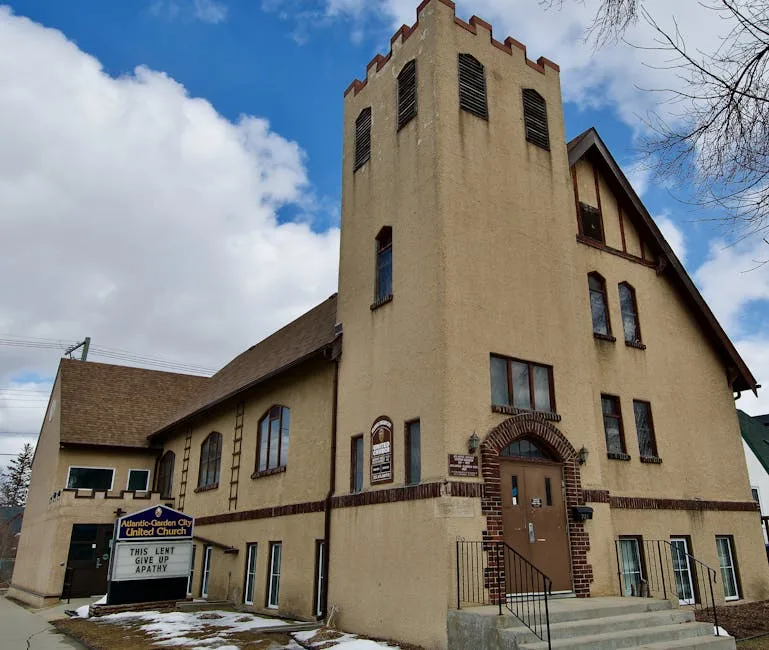
This scene is replicated across Canada each winter, as hundreds of churches transform their sanctuaries, fellowship halls, and gymnasiums into emergency warming centers. From St. John's to Vancouver, from Yellowknife to Windsor, Christian congregations are literally opening their doors to save lives during Canada's brutal winter months.
More Than Shelter
"We're not just providing warmth," explains Rev. Jennifer McDonald, who coordinates the warming center at Knox United. "We're providing dignity. When someone walks through our doors, they're not just getting shelter—they're getting treated as a human being deserving of respect and care."
This philosophy distinguishes church-run warming centers from government-operated facilities. While emergency shelters often operate with institutional efficiency, church warming centers typically offer more personal attention, fewer restrictions, and a welcoming atmosphere that many guests find less intimidating.
The Scale of Need
Statistics Canada estimates that 35,000 people experience homelessness on any given night, with numbers swelling during winter months as economic pressures and seasonal employment changes affect vulnerable populations. The problem extends far beyond major cities—rural communities across the prairies, northern Ontario, and the territories face particular challenges due to limited social services and extreme weather conditions.
Churches have stepped into this gap with remarkable consistency. The Canadian Council of Churches estimates that over 1,200 congregations operate warming centers or overnight shelter programs during winter months, providing over 25,000 bed-nights annually.
Denominational Collaboration
What makes the warming center movement particularly effective is its ecumenical character. In most cities, Catholic, Protestant, Orthodox, and other Christian churches coordinate their efforts rather than competing for resources or recognition.
In Edmonton, the Interfaith Warming Center Network includes 15 churches from eight different denominations, operating on a rotation schedule that ensures continuous coverage throughout the coldest months. The program has become a model for other cities, demonstrating how theological differences dissolve in the face of human need.
"When someone is freezing, we don't ask about their beliefs," notes Father Thomas Nguyen of Sacred Heart Catholic Church, which anchors Edmonton's program. "We ask about their needs. That's where Jesus would start."
Volunteers and Community Building
The warming center movement relies heavily on volunteers, creating unexpected opportunities for community building and personal transformation. Many volunteers describe their experience as more rewarding than challenging, despite the demanding nature of overnight shelter work.
Mary Chen, a retired teacher who volunteers three nights a week at Calgary's Central United Church warming center, explains: "I started this thinking I was helping them. I've realized they've helped me more. These aren't statistics—they're neighbors who've fallen on hard times. Everyone has a story."
Youth Engagement
Many churches have found that warming center work particularly appeals to young adults seeking meaningful ways to live out their faith. Youth groups across the country organize "warming parties" where teenagers prepare meals, organize donated clothing, and interact with guests through games and conversation.
"It's opened our kids' eyes," says Jennifer Park, youth minister at Vancouver's First Baptist Church. "They're seeing poverty and homelessness as systemic issues, not personal failures. It's making them better Christians and better citizens."
Beyond Basic Needs
Successful warming centers have evolved beyond simply providing warm space to offering comprehensive support services. Many partner with health care providers to offer basic medical care, work with social workers to connect guests with permanent housing resources, and provide job search assistance and life skills training.
The Salvation Army's warming center program in Toronto has pioneered an integrated approach that combines emergency shelter with addiction counseling, mental health support, and employment assistance. Their success rate in transitioning guests to permanent housing exceeds 60%—significantly higher than institutional programs.
Cultural Sensitivity
Canada's diverse population means warming centers serve people from many cultural and religious backgrounds. Churches have had to learn cultural sensitivity while maintaining their Christian identity.
Many centers now provide prayer spaces for Muslim guests, accommodate dietary restrictions for various religious and cultural groups, and train volunteers in cultural competency. The Interfaith Social Services warming center in Saskatoon employs staff who speak Cree, Arabic, and Somali in addition to English and French.
Rural and Northern Challenges
While urban warming centers receive most attention, rural and northern communities face particular challenges. Smaller congregations with limited resources must cover vast geographic areas with minimal government support.
In northern Manitoba, five small churches coordinate to operate a rotating warming center that serves three communities separated by hundreds of kilometers. Volunteers drive hours to staff shifts, and guests sometimes travel similar distances to reach safety.
"Geography doesn't excuse us from caring for our neighbors," reflects Rev. David Sinclair of Thompson's Northway Community Church. "If anything, it makes the caring more urgent because there's no one else to do it."
Government Partnerships
While churches fund most warming center operations through donations and volunteer labor, many have developed partnerships with municipal and provincial governments. These relationships provide funding for utilities, insurance, and professional staff while allowing churches to maintain operational control.
The partnerships have proven mutually beneficial—governments gain additional capacity for emergency response while churches receive resources to expand their service.
Lessons from the Pandemic
The COVID-19 pandemic initially disrupted warming center operations but ultimately led to innovations that have enhanced the movement's effectiveness. Physical distancing requirements forced centers to operate at reduced capacity, but health protocols improved overall care standards.
Many centers now routinely provide basic health screening, maintain better hygiene facilities, and follow protocols that reduce disease transmission—improvements that benefit guests beyond pandemic concerns.
Policy Advocacy
The hands-on experience of operating warming centers has given churches unique insights into homelessness and poverty policy. Many congregations have become advocates for affordable housing, improved mental health services, and more humane social assistance programs.
"We can't just treat the symptoms," argues Rev. Sarah Mitchell, whose Anglican church in Halifax operates both a warming center and a affordable housing advocacy program. "Our faith calls us to address root causes of injustice, not just provide Band-Aid solutions."
The Future of Faith-Based Emergency Response
As climate change brings more extreme weather events and economic inequality continues growing, the role of church warming centers is likely to expand. Many congregations are developing year-round programs that address cooling needs during heat waves and flooding response during severe storms.
The warming center movement represents Canadian Christianity at its most practical and prophetic—demonstrating that faith traditions remain relevant by addressing immediate human needs while advocating for systemic change.
"This is what church is supposed to be," reflects Rev. McDonald as she surveys Knox United's warming center during the early morning hours. "Not just a place where people come to pray, but a place where prayers become action, where faith becomes love made visible."
For Canada's churches, the warming center movement has become more than emergency response—it's a rediscovery of their fundamental mission to serve the least and the lost, one frozen neighbor at a time.


Commenti