
In the bustling Heliopolis neighborhood of Cairo, Egypt, a remarkable story of Christian growth unfolds daily. Heliopolis Church stands as a thriving megachurch that challenges common assumptions about where Christianity can flourish in the modern world. Embedded deeply in its urban context, this vibrant congregation offers valuable lessons about contextual ministry, cultural adaptation, and faithful witness in challenging environments.
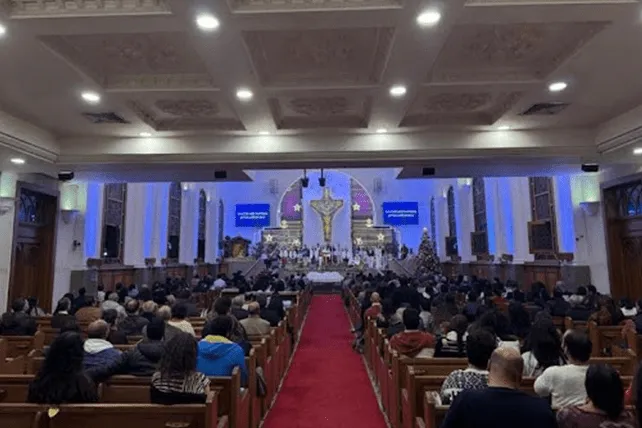
The success of Heliopolis Church in a predominantly Muslim nation demonstrates that the Gospel's power transcends cultural and geographical boundaries when properly contextualized and authentically lived.
Understanding Contextual Ministry
Contextualization—adapting Christian ministry to specific cultural settings without compromising essential Gospel truths—has become crucial for effective mission in our globalized world. Heliopolis Church exemplifies this approach, demonstrating how authentic Christian community can take root and flourish when properly adapted to local culture and needs.
"I have become all things to all people so that by all possible means I might save some." - 1 Corinthians 9:22
Paul's missionary strategy provides the theological foundation for contextual ministry. The apostle adapted his approach to different audiences while maintaining the Gospel's unchanging core message. Heliopolis Church appears to follow this same principle in its Egyptian context.
Effective contextualization requires understanding and respecting local culture while identifying points of connection between Christian truth and cultural values. This delicate balance demands both cultural sensitivity and theological integrity.
The Egyptian Christian Context
Egypt's Christian community, primarily Coptic Orthodox, represents one of the world's oldest Christian traditions, tracing its origins to the apostle Mark's ministry in Alexandria. This historical foundation provides legitimacy and cultural roots that newer Christian movements often lack in Muslim-majority countries.
However, Egyptian Christians also face significant challenges:
Religious minority status: Christians comprise approximately 10-15% of Egypt's population, requiring wisdom in navigating majority-minority relationships.
Cultural adaptation: Balancing Christian identity with Egyptian cultural values and traditions.
Economic pressures: Many Egyptian Christians belong to middle and lower economic classes, requiring ministry approaches that address practical needs.
Political sensitivities: Operating within a complex political environment that requires careful navigation of religious expression and civic responsibility.
Megachurch Success in Unlikely Places
The growth of Heliopolis Church challenges Western assumptions about where megachurches can thrive. While large congregations are often associated with American suburbs or Korean urban centers, this Egyptian example demonstrates that similar growth can occur in diverse cultural contexts when ministry approaches properly address local needs and aspirations.
Key factors contributing to Heliopolis's success likely include:
Community integration: Rather than isolating itself from the surrounding neighborhood, the church actively engages with local concerns and contributes to community welfare.
Cultural relevance: Worship, teaching, and programming reflect Egyptian cultural values while maintaining Christian distinctives.
Holistic ministry: Addressing spiritual, social, and practical needs of congregation members and the broader community.
Local leadership: Developing indigenous leadership that understands cultural nuances and can communicate effectively with Egyptian audiences.
Intergenerational approach: Creating space for both traditional and contemporary expressions of faith that appeal to different age groups.
Lessons for Global Christianity
Heliopolis Church's success offers several insights for Christian ministry in diverse cultural contexts:
Local embedding matters: Churches that integrate deeply with their neighborhoods often experience greater growth and community impact than those that remain culturally isolated.
Cultural adaptation without compromise: Effective contextualization maintains Gospel essentials while adapting non-essential elements to local culture.
Service builds trust: Churches that consistently serve their communities earn credibility that purely proclamation-focused ministries may lack.
Size isn't everything: While Heliopolis is large, its success likely stems more from effectiveness than mere numbers.
Patience with process: Building trust and growing authentic community in challenging contexts requires long-term commitment rather than quick-fix approaches.
Navigating Religious Plurality
One of Heliopolis Church's most instructive aspects may be its approach to existing in a religiously plural environment. Rather than adopting confrontational or separatist attitudes, successful churches in minority contexts often emphasize:
Respectful dialogue: Engaging with neighbors of different faiths in ways that honor their dignity while maintaining Christian convictions.
Social contribution: Demonstrating Christianity's positive impact through education, healthcare, community development, and social services.
Peaceful coexistence: Modeling how religious communities can live harmoniously without compromising distinctive beliefs.
Bridge-building: Creating relationships that transcend religious boundaries while maintaining clear Christian identity.
"Let your light shine before others, that they may see your good deeds and glorify your Father in heaven." - Matthew 5:16
Jesus' words take on special significance in contexts where Christians represent religious minorities. Good deeds become powerful testimony that speaks louder than words in establishing credibility and trust.
Challenges and Opportunities
Despite its success, Heliopolis Church likely faces ongoing challenges common to churches in similar contexts:
Government relations: Maintaining positive relationships with authorities while preserving religious independence.
Internal unity: Balancing diverse perspectives within the congregation while maintaining cohesive vision and direction.
External pressures: Responding to social and political pressures without compromising Gospel integrity.
Resource constraints: Operating effective ministries within economic limitations common in developing nations.
Leadership development: Training leaders who can navigate complex cultural and religious dynamics effectively.
Implications for Western Christianity
Heliopolis Church's example offers important lessons for Western churches increasingly operating in post-Christian or pluralistic contexts:
Community engagement over isolation: Rather than retreating into Christian subcultures, churches benefit from active neighborhood involvement.
Service before proclamation: Demonstrating Christian love through practical service often opens doors for spiritual conversations more effectively than direct evangelism.
Cultural humility: Recognizing that effective ministry requires understanding and respecting local culture rather than imposing foreign models.
Long-term perspective: Building trust and influence in pluralistic environments requires patience and persistence over many years.
A Model for Hope
Perhaps most significantly, Heliopolis Church demonstrates that Christianity continues to grow and thrive in unexpected places when properly contextualized and authentically lived. This Egyptian megachurch challenges pessimistic assumptions about Christianity's global future while providing practical examples of effective cross-cultural ministry.
For Christians feeling discouraged about faith's prospects in secularizing societies, Heliopolis offers hope. The Gospel's power remains as relevant today as in the first century, capable of transforming lives and building communities when communicated with cultural sensitivity and lived with authentic love.
"Therefore go and make disciples of all nations, baptizing them in the name of the Father and of the Son and of the Holy Spirit." - Matthew 28:19
The Great Commission's scope includes every nation and culture, including places where Christianity faces significant challenges. Heliopolis Church's success reminds us that God's kingdom continues advancing through faithful believers who courageously plant Gospel seeds in whatever soil they find themselves, trusting the Holy Spirit to bring growth according to his perfect timing and purposes.

Commenti