
Every Sunday, millions gather in churches worldwide for worship services. Yet many leave feeling disconnected, unchanged, and wondering if their time was well spent. The challenge facing church leaders is how to create worship experiences that are both God-honoring and life-transforming, moving beyond mere religious routine to encounter the living God.
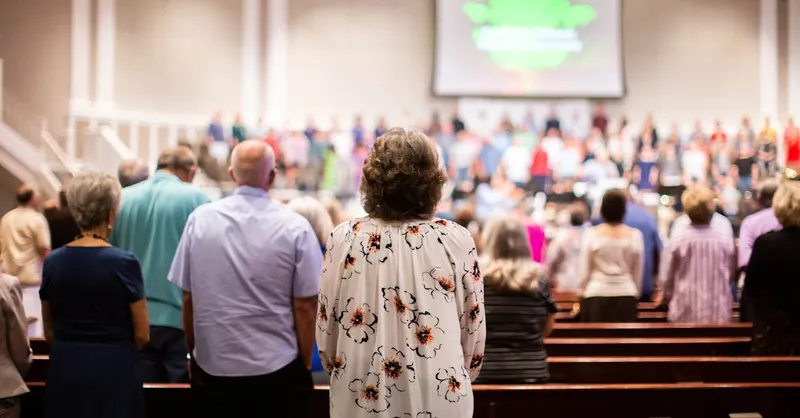
True worship is fundamentally about encounter - God meeting his people and his people responding in adoration, confession, gratitude, and commitment. As Jesus told the Samaritan woman: "But the hour is coming, and is now here, when the true worshipers will worship the Father in spirit and truth, for the Father is seeking such people to worship him" (John 4:23).
Elements of transformative worship
Biblical preaching that connects: Expository preaching that makes Scripture relevant to daily life, addressing real struggles while pointing to Gospel hope. Messages should be both intellectually solid and emotionally engaging.
Authentic musical worship: Songs that lead hearts to God rather than showcasing talent. Whether contemporary or traditional, music should facilitate genuine expression of praise, confession, and surrender.
Participatory prayer: Corporate prayer that moves beyond pastoral monologue to include congregational participation, silent reflection, and response to God's Word.
Community connection: Opportunities for genuine fellowship that help people feel known and valued as part of God's family.
Mission focus: Regular reminders of the church's calling to serve others and make disciples, connecting worship to weekly living.
"Worship is not a performance for people to watch, but a participation where everyone contributes to the glory of God and the edification of the body."
Creating space for the Holy Spirit
While planning is essential, transformative worship requires leaving room for the unexpected work of the Holy Spirit. This balance includes:
Flexible structure: Having a planned order while remaining open to Spirit-led adjustments when appropriate.
Responsive leadership: Leaders who are sensitive to the congregation's spiritual state and can adjust tone, pace, or focus accordingly.
Prayer preparation: Extensive prayer before, during, and after services by leadership teams seeking God's guidance and blessing.
Expectant atmosphere: Creating an environment where people come expecting to meet God and be changed by the encounter.
Addressing diverse needs and preferences
Modern congregations often include multiple generations, cultural backgrounds, and spiritual maturity levels. Effective worship addresses this diversity through:
Varied musical styles: Incorporating both traditional hymns and contemporary songs that speak to different generations while maintaining theological depth.
Multiple learning styles: Using visual elements, interactive components, and kinesthetic opportunities alongside auditory teaching.
Cultural sensitivity: Including elements that reflect the cultural diversity of the congregation while maintaining biblical focus.
Accessibility considerations: Ensuring that people with disabilities, language barriers, or other limitations can fully participate in worship.
The role of excellence versus authenticity
Churches must navigate the tension between pursuing excellence in worship and maintaining authenticity. The goal is not perfection but sincere, skillful offering to God:
Preparation and practice: Taking time to prepare well shows respect for God and consideration for the congregation.
Skill development: Encouraging musicians, speakers, and other leaders to develop their abilities for better service.
Humble presentation: Focusing on God's glory rather than human achievement, avoiding performances that draw attention to human skill rather than divine worth.
Grace for mistakes: Creating an atmosphere where imperfections are handled gracefully and don't derail worship focus.
Measuring worship effectiveness
Success in worship is ultimately measured by spiritual transformation rather than attendance numbers or emotional responses:
Life change evidence: Are people growing in their relationship with God and living out their faith more fully?
Congregational engagement: Do people participate actively rather than passively consuming the service?
Visitor integration: Do newcomers feel welcomed and able to understand and participate in worship?
Leadership development: Are new people being equipped and invited to serve in worship ministries?
Community impact: Does worship inspire and equip members for service and witness in their daily lives?
When worship truly connects people with God, it becomes the fuel for Christian living throughout the week, transforming not just Sunday mornings but entire lives and communities.




Commentaires