
God's heart for the nations is evident throughout Scripture, from his promise to Abraham that all peoples would be blessed through his descendants to the Great Commission's call to make disciples of all nations. Cross-cultural ministry represents obedience to Christ's final command, but it requires wisdom, sensitivity, and deep commitment to both Gospel truth and cultural respect.
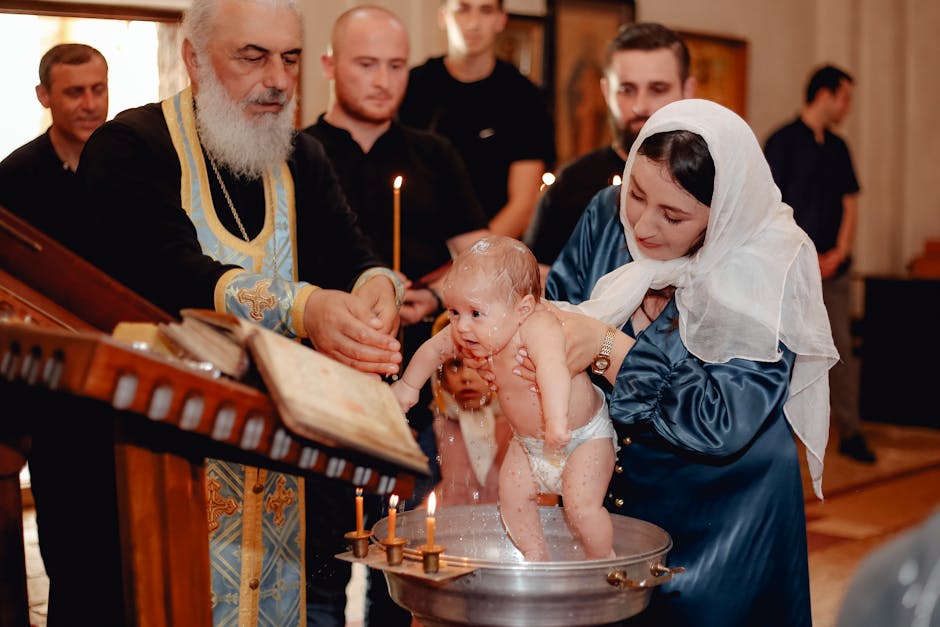
Pope Leo XIV teaches that "the Gospel message is universal, but its communication must be particular to each culture. Effective cross-cultural ministry requires learning to speak the language of the heart—not just words, but the cultural expressions that make God's love comprehensible to every people group."
Biblical Foundation for Cross-Cultural Ministry
Scripture establishes God's heart for cross-cultural evangelism from beginning to end: **The Great Commission**: Jesus commanded disciples to make disciples of "all nations" (Matthew 28:19). **Pentecost**: The Holy Spirit enabled cross-cultural communication as the first expression of Gospel power (Acts 2). **Paul's Strategy**: The apostle Paul intentionally adapted his ministry approach to reach different cultural groups (1 Corinthians 9:19-23). **Revelation's Vision**: The ultimate goal includes representatives from "every tribe, language, people and nation" (Revelation 5:9). **God's Character**: The Bible reveals God as the God of all peoples, not just one ethnic or cultural group.**
Cross-cultural ministry fulfills God's eternal purposes for global redemption.
The Antioch Model
The church at Antioch demonstrated effective cross-cultural ministry by including people from diverse backgrounds and sending out multicultural missionary teams.
Understanding Culture
Effective cross-cultural ministry begins with deep appreciation for the complexity of culture: **Surface Culture**: Observable behaviors, customs, foods, clothing, and traditions. **Deep Culture**: Underlying values, beliefs, worldviews, and assumptions that drive surface behaviors. **Communication Styles**: Different cultures prefer direct or indirect communication, high or low context messaging. **Social Structures**: Family patterns, authority relationships, and community organization vary significantly across cultures. **Time Orientation**: Some cultures focus on punctuality and schedules while others prioritize relationships over time constraints. **Honor/Shame vs. Guilt/Innocence**: Different cultures organize morality around honor preservation or individual guilt.**
Cultural understanding prevents misunderstandings and demonstrates respect for people created in God's image.
Cultural Iceberg
Like an iceberg, most of culture lies beneath the surface—understanding deep cultural values matters more than observing surface behaviors.
Language Learning and Communication
Language acquisition opens doors for deeper cultural engagement and ministry effectiveness: **Language Priority**: Commit to serious language study rather than expecting others to accommodate your monolingualism. **Cultural Fluency**: Learn not just words but cultural meanings, humor, and appropriate communication patterns. **Non-Verbal Communication**: Understand gesture meanings, personal space preferences, and other non-verbal cultural patterns. **Heart Language**: Recognize that people best understand spiritual truths in their mother tongue, even when they speak other languages. **Translation Challenges**: Work with skilled translators when language barriers exist, understanding that some concepts don't translate directly. **Patience**: Accept that language learning is gradual and requires years of dedicated effort for true fluency.**
Language learning demonstrates respect and commitment while enabling deeper relationships and ministry.
Incarnational Ministry
Following Christ's example of becoming human to reach humanity, cross-cultural ministers should "become" culturally fluent to effectively reach other cultures.
Building Trust and Relationships
Cross-cultural ministry depends on authentic relationships built over time: **Listening First**: Spend significant time learning about people's lives, concerns, and perspectives before sharing your message. **Servant Posture**: Approach cross-cultural ministry as a learner and servant rather than an expert or superior. **Consistency**: Build trust through reliable presence and consistent character over extended periods. **Cultural Sensitivity**: Avoid behaviors or statements that inadvertently offend cultural values or customs. **Mutual Exchange**: Learn from other cultures rather than assuming your cultural approaches are superior. **Patience**: Accept that relationship building takes time and cannot be rushed or manufactured.**
Trust provides the foundation upon which cross-cultural ministry can be built and sustained.
Friendship Evangelism
Authentic friendships create natural contexts for spiritual conversations and Gospel sharing across cultural boundaries.
Contextualizing the Gospel
Effective cross-cultural ministry communicates eternal truth through culturally relevant forms: **Core vs. Cultural**: Distinguish between unchanging Gospel truths and changeable cultural expressions of those truths. **Cultural Bridges**: Use familiar cultural concepts, stories, and symbols to communicate unfamiliar spiritual truths. **Appropriate Metaphors**: Choose illustrations and word pictures that resonate with the target culture's experience. **Indigenous Leadership**: Develop local leaders who can communicate the Gospel more effectively than outsiders. **Cultural Questions**: Address the specific spiritual questions and concerns that arise within each cultural context. **Avoiding Syncretism**: Maintain Gospel integrity while allowing for cultural adaptation in non-essential areas.**
Contextualization makes the Gospel accessible without compromising its essential message.
Paul's Example
Paul became "all things to all people" (1 Corinthians 9:22) by adapting his ministry approach while never compromising the Gospel message.
Working with Existing Religious Beliefs
Cross-cultural ministry often encounters established religious systems that require careful navigation: **Respectful Dialogue**: Engage other religious beliefs with respect while maintaining Christian convictions. **Common Ground**: Begin conversations with shared values and concerns rather than immediately highlighting differences. **Bridging Concepts**: Find concepts in other religions that can serve as bridges to Christian truth. **Addressing Misconceptions**: Correct misunderstandings about Christianity that may exist within other religious communities. **Patient Witness**: Allow time for people to process spiritual truth rather than demanding immediate conversion. **Relationship Priority**: Maintain relationships even when people don't immediately accept the Gospel message.**
Respectful engagement with other religions demonstrates Christian love while creating opportunities for witness.
The Unknown God
Paul's approach to the Athenians demonstrates how to use existing religious awareness as a starting point for Gospel proclamation.
Addressing Cultural Barriers
Various cultural factors can hinder Gospel reception and require sensitive handling: **Historical Grievances**: Past negative experiences with Christianity or Western culture may create resistance to the Gospel. **Economic Disparities**: Wealth differences between missionaries and local people can create barriers to authentic relationship. **Political Tensions**: International political conflicts may affect how foreign missionaries are received. **Family Opposition**: Converting to Christianity may result in family rejection or community ostracism in some cultures. **Social Pressures**: Group-oriented cultures may resist individual spiritual decisions that conflict with community expectations. **Educational Assumptions**: Formal education differences may create communication barriers or feelings of superiority/inferiority.**
Recognizing barriers enables ministry approaches that address rather than ignore legitimate concerns.
Incarnational Presence
Living among people and sharing their daily experiences helps overcome barriers that separate missionaries from local communities.
Developing Indigenous Churches
Sustainable cross-cultural ministry aims to establish self-governing, self-supporting, self-propagating churches: **Local Leadership**: Train and empower indigenous leaders rather than maintaining foreign control. **Cultural Expression**: Allow local churches to develop worship styles, organizational patterns, and ministry approaches suited to their culture. **Financial Independence**: Help churches develop local support systems rather than depending on foreign funding. **Evangelistic Vision**: Inspire local churches to reach their own people and surrounding areas. **Theological Education**: Provide training that equips local leaders for effective ministry in their context. **Gradual Transition**: Plan for missionary roles to evolve from leadership to partnership to advisory as indigenous churches mature.**
Indigenous churches can reach their own cultures more effectively than foreign missionaries.
Three-Self Formula
Henry Venn's three-self principles (self-governing, self-supporting, self-propagating) remain relevant for sustainable church planting.
Team Ministry and Partnerships
Cross-cultural ministry benefits from collaborative approaches: **Multicultural Teams**: Include people from various cultural backgrounds on ministry teams. **Short-term/Long-term**: Combine long-term missionaries with short-term volunteers for maximum effectiveness. **Skill Diversity**: Include people with different gifts—evangelism, teaching, medical, technical, administrative. **Local Partnerships**: Work with existing churches and Christian organizations in the target area. **Sending Church**: Maintain strong relationships with home churches for prayer and financial support. **Network Connections**: Collaborate with other mission agencies and ministries rather than working in isolation.**
Team ministry provides mutual support while offering diverse gifts and perspectives to cross-cultural work.
Body of Christ Principle
Cross-cultural ministry functions best when various members of Christ's body contribute their unique gifts to the common mission.
Technology in Cross-Cultural Ministry
Modern technology offers new opportunities for cross-cultural Gospel sharing: **Digital Evangelism**: Use social media, websites, and apps to reach people in restricted access countries. **Language Resources**: Utilize translation software, language learning apps, and digital dictionaries. **Communication Tools**: Maintain relationships and provide support through video calls, messaging, and email. **Training Platforms**: Deliver theological education and ministry training through online platforms. **Media Ministry**: Create and distribute culturally appropriate Christian content through digital channels. **Prayer Networks**: Connect global prayer partners for specific cross-cultural ministry needs.**
Technology supplements but cannot replace personal relationships in cross-cultural ministry.
Digital Missions
Online ministry can reach people in areas where traditional missionaries cannot go, but it works best when combined with personal relationships.
Overcoming Common Mistakes
Learning from common cross-cultural ministry errors helps improve effectiveness: **Cultural Superiority**: Assuming your cultural ways are better rather than different. **Inadequate Preparation**: Entering cross-cultural ministry without sufficient training or cultural study. **Lone Ranger Mentality**: Working independently rather than in partnership with others. **Quick Results Expectation**: Expecting rapid results rather than accepting the long-term nature of cross-cultural work. **Language Shortcuts**: Avoiding serious language study and depending too heavily on translators. **Western Methodology**: Imposing Western church models rather than allowing indigenous expressions.**
Honest evaluation and continuous learning help cross-cultural ministers improve their effectiveness over time.
Humility in Mission
Recognizing our own cultural limitations and blind spots helps us approach cross-cultural ministry with appropriate humility.
Persecution and Difficulties
Cross-cultural ministry often involves challenges and opposition: **Legal Restrictions**: Some countries limit or prohibit Christian missionary activity. **Religious Opposition**: Established religious systems may actively oppose Gospel outreach. **Cultural Resistance**: Communities may reject outside religious influence. **Personal Sacrifice**: Cross-cultural ministry may require significant personal and family sacrifices. **Physical Dangers**: Some ministry contexts involve genuine physical risks. **Spiritual Warfare**: Expect increased spiritual opposition in cross-cultural Gospel work.**
Counting the cost and relying on God's strength enables perseverance through cross-cultural ministry challenges.
Suffering for the Gospel
Jesus warned that Gospel ministry would involve opposition, and cross-cultural work often intensifies these challenges.
Conclusion: All Nations, All Glory
Cross-cultural ministry represents participation in God's eternal plan to gather worshippers from every tribe, tongue, people, and nation. While it requires significant commitment, cultural sensitivity, and personal sacrifice, it offers the privilege of expanding God's kingdom across cultural boundaries.
Effective cross-cultural ministry combines deep love for the Gospel with genuine respect for diverse cultures, creating space for the Holy Spirit to work across ethnic, linguistic, and cultural divisions. As we learn to communicate Christ's love in culturally appropriate ways, we participate in the grand mission that will culminate in heavenly worship representing all the peoples of the earth.




Comentarios