
When Jesus' disciples argued about greatness, he redefined leadership entirely: "You know that the rulers of the Gentiles lord it over them, and their great ones exercise authority over them. It shall not be so among you. But whoever would be great among you must be your servant" (Matthew 20:25-26). This foundational principle transforms how churches should be led and governed.
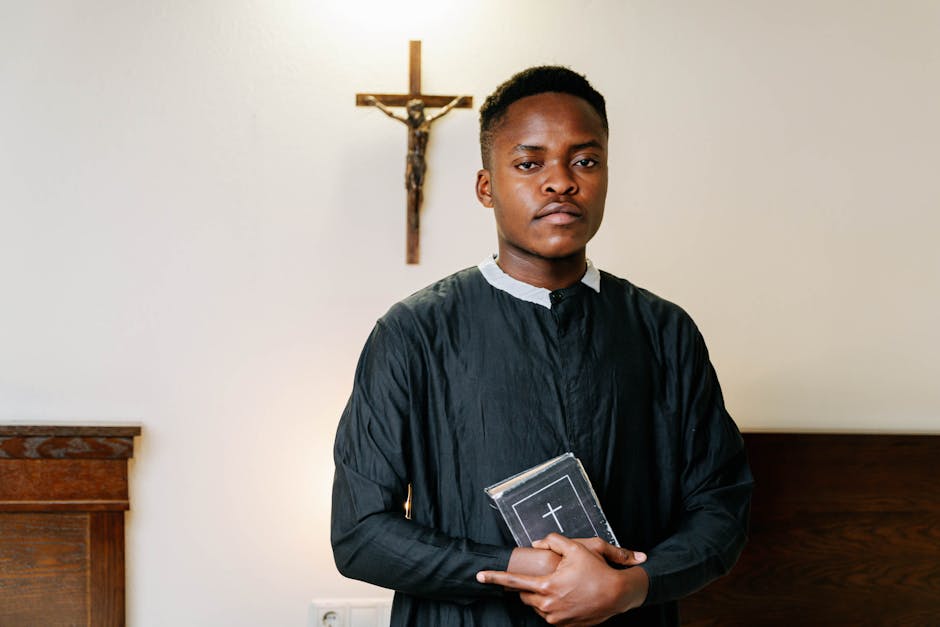
Biblical qualifications for church leaders
Paul's instructions in 1 Timothy 3:1-13 and Titus 1:5-9 establish clear character requirements for church leadership that prioritize integrity over ability, spiritual maturity over worldly success.
Above reproach: Leaders must maintain impeccable character both publicly and privately, providing a model worthy of imitation.
Faithful in relationships: Stability in marriage and family demonstrates the faithfulness needed for church relationships.
Self-controlled and hospitable: Personal discipline and openness to others reflect the heart needed for pastoral care.
Able to teach: Leaders must communicate God's truth effectively and defend sound doctrine against error.
Not greedy or quarrelsome: Money and conflict can corrupt leadership; leaders must demonstrate contentment and peacemaking.
"Church leadership is not about position or power, but about serving God's people with integrity, wisdom, and love."
Shared leadership vs. authoritarian models
Healthy churches avoid both extremes of leadership structure:
Biblical eldership: Multiple qualified leaders sharing authority while respecting pastoral leadership (Acts 20:17, 1 Peter 5:1-4).
Congregational involvement: Members participating in major decisions while trusting leadership for day-to-day direction (Acts 6:1-7).
Accountability systems: Leaders submitted to other leaders, denominational oversight, or governance structures that prevent abuse.
Transparency in decision-making: Clear communication about direction, finances, and major changes builds trust and unity.
Developing emerging leaders
Effective church leaders multiply themselves by identifying and training the next generation:
Recognize potential: Look for character, faithfulness in small things, and teachable spirits rather than just natural ability.
Provide opportunities: Give emerging leaders chances to serve, lead, and even fail in low-risk environments.
Mentor intentionally: Invest time in personal relationships that develop both character and competence.
Delegate meaningfully: Transfer real responsibility rather than just busy work, allowing others to grow through significant contributions.
Handling conflict and difficult decisions
Church leadership inevitably involves navigating disagreements and making unpopular choices:
Seek wisdom through prayer and counsel: Major decisions should involve significant prayer, biblical study, and consultation with other mature believers.
Communicate clearly and kindly: Even difficult messages can be delivered with love, respect, and thorough explanation of reasoning.
Follow biblical conflict resolution: When confrontation is necessary, follow the principles of Matthew 18:15-17 with gentleness and truth.
Maintain unity while addressing sin: Protect the congregation's health while showing grace to struggling individuals.
Leading through change and challenge
Modern church leadership requires navigating constant change while maintaining biblical faithfulness:
Vision casting: Help congregations understand not just what is changing but why changes align with biblical mission and vision.
Cultural sensitivity: Adapt methods and styles to reach contemporary audiences while preserving biblical content and principles.
Technology integration: Use new tools effectively for ministry while maintaining focus on relationships and spiritual growth.
Crisis leadership: Guide churches through difficult seasons with stability, hope, and practical wisdom.
The goal: healthy churches that multiply
Effective church leadership ultimately aims at creating healthy congregations that reproduce themselves:
Spiritual maturity: Members growing in faith, character, and service to others.
Mission focus: Churches engaged in evangelism, discipleship, and community service.
Leadership development: Continuous preparation of new leaders for current and future ministry needs.
Church planting: Healthy churches naturally reproduce by planting new congregations and supporting missions.
As Paul told Timothy: "What you have heard from me in the presence of many witnesses entrust to faithful men, who will be able to teach others also" (2 Timothy 2:2). This multiplication principle ensures that effective leadership creates sustainable, growing movements rather than personality-dependent organizations.



Comments